
What Size HVAC System and AC Unit Do I Need For My Home?

“What size HVAC unit do I need?” is a common question we’ve often been asked. If you’re thinking of replacing your air conditioner or HVAC unit, one of the most important considerations is size. Size matters. Proper system sizing is crucial for choosing the right HVAC unit for the square footage of your house. Mess up the A/C size, and you could end up with a unit that doesn’t keep you cool and comfy — and could mean more wasted money for an air conditioner or furnace unit that doesn’t fit your needs. Streamline Heating and Air here: we understand the struggle of finding the right A/C and HVAC unit for your needs. The good news is that we have your back. We created this article that explores proper air conditioner sizing and what to do to determine the right air conditioning unit for your home. Join us as we explore key tips to help you find the right A/C unit for you, your home, and your wallet. The 5 steps for determining the right A/C unit for your home 1. Choose an HVAC system that fits your home’s dimensions.2. Review SEER2 and BTUh ratings for your preferred A/C system.3. Pick the right air conditioner unit size for your home.4. Schedule an energy audit of your home.5. Pick your preferred A/C installation team to install your new unit. What happens when an air conditioner is too large? A system that’s larger than the home’s capacity (and needs) can be beneficial in that the system reaches desired indoor temperatures fast. But, the downside is that a larger-than-needed A/C system will cycle on and off often. An air conditioning system that cycles on and off a great deal can waste energy and cause premature wear and tear on the unit. The equipment’s lifespan can decrease and maintenance costs creep up. What’s more, humidity can rise inside a home, making the indoor air quality uncomfortable. Plus, mildew and mold build-ups can make the indoor air unhealthy for daily living. What happens when an air conditioner is too small? The opposite is also true: if an air conditioner is smaller than is needed for a home, your A/C might stay on longer to keep the air cool and comfortable. A central air conditioner — one that’s smaller than a home’s heating and cooling needs — can strain an HVAC unit. The reason is that the A/C unit shoulders a greater load on the system than is warranted for the home’s air-related needs. Finally, with higher energy costs and extra labor, an undersized HVAC system can cause uneven heating and cooling throughout a home. All the more reason to find an HVAC system that’s right for your home. We’ll explore how in the next sections. 5 Steps to choosing the right A/C system To figure out which air conditioner system and HVAC unit you should buy for your home, you’ll want to find an A/C system that fits your home’s size, is top-quality, and is built with the latest technology. Below, we’ve listed our 5-step process for choosing the right size air conditioner for your needs. 1. Determine the HVAC system for your home and its dimensions When choosing an A/C system that meets your needs, you’ll have your choice between three main types of air conditioning systems: Split system air conditioners involve an outdoor air conditioner or heat pump and an indoor furnace or air handler combination. The indoor and outdoor parts help keep the temperature and humidity within your home under control. Split-system air conditioners are an efficient, budget-friendly cooling option that produces little noise. Ductless systems — often called mini-split systems — consist of single outdoor units that connect to one or more indoor units that help disseminate air throughout a home. A ductless system doesn’t need to be modified a great deal to fit your space. As such, ductless systems are often used for single rooms and smaller spaces. They work in tandem with multiple indoor units in homes and environments where different temperatures are preferred in different parts of the home. Finally, we have packaged units. Packaged units are single outdoor units that incorporate all the mechanical components of an air conditioning system in one unit. A packaged unit connects to a home’s ductwork and thereby distributes heating and cooled air straight into a house. These units are desirable for homes with minimal square footage and interior space. Packaged units are also ideal for homes that don’t have attics or basements. 2. Review A/C ratings for the system you need Before choosing a unit, you’ll want to make sure you review air conditioning ratings. HVAC professionals often assign a rating to an air conditioner based on two rating scales. The rating scales are called: These ratings help determine the efficiency and cooling capacity of the system you want to install and buy. Understanding SEER2 and BTUh ratings can help you make a more informed purchase when finding the right air conditioner for your home. Let’s break these ratings down. A detailed dive into A/C unit ratings SEER2 ratings are a calculation used to measure the energy efficiency of a specific HVAC system. You can calculate the SEER2 rating of a unit by dividing its cooling output in an average cooling season by the total amount of energy used. The final number tells you the maximum efficiency of the unit. As such, systems with higher SEER2 ratios are more efficient. The most common systems have a rating between 14 and 16 SEER2. More expensive, high-efficiency systems clock in at 22 SEER2. BTUh and tonnage ratings calculate the amount of energy the air conditioning or HVAC system takes to remove heat from a home in one hour. Depending on the manufacturer, some use BTUh ratings and others use tonnage ratings. For context, here’s a little math for you. A 1-ton rating is equal to
10 Reasons Why an Air Conditioner Isn’t Cooling Enough (Fixes)

When you turn on your air conditioner and it isn’t working to beat the heat, something’s wrong. And nothing’s worse than feeling the hot and heavy sunshine with an air conditioner that won’t blow cold air. We understand. When an A/C system isn’t blowing cold enough air, warmer indoor air can be frustrating, let alone uncomfortable. After nearly 20 years in the business, we found that 10 common issues are the culprit behind why an air conditioner isn’t cooling enough. In this article, we’ll unpack each of these issues so that you can go back to feeling cool and collected for whatever the world throws your way. Here are 10 common causes for why an air conditioner isn’t cooling enough. The most common reasons why an A/C won’t cool enough 1. Dirty cooling coils2. The condenser unit is blocked3. Refrigerant leaks inside the A/C unit4. Clogged or dirty air filters5. Issues with the thermostat6. Issues with the compressor7. Exterior fan motor issues8. Dirty or clogged registers9. An outdated air conditioner10. An air conditioner that hasn’t had regular maintenance and repair work 1. Dirty cooling coils The air conditioner’s cooling coils absorb heat from inside the home. What’s more, outdoor coils transfer heat from the house to the outdoors. If either of these coils become dirty, the transfer of heat from indoors to outdoors, between the coils and over them, can decrease your system’s ability to remove heat from your home. The result? Warmer air comes out of your air conditioning vents. 2. Condenser units that are blocked The condenser unit of an air conditioning system is located outside. Alas, the condenser unit is often blocked by a home’s plants, bushes, or other greenery. If you notice that your condenser unit is covered, your unit can’t release heat from the condenser coils as it should. As a result, the heat removed from the home won’t be released the way it normally should with the system. 3. Refrigerant leaks in the air conditioner The job of refrigerant is to flow through your air conditioner coils and move heat from inside your home to the outside condenser unit. But, if you notice your system has a refrigerant leak, it won’t be able to move heat out of your house. Your air conditioner will run, but with a refrigerant leak, your A/C unit may blow hot air or warm air. If your home’s A/C unit has a refrigerant or water leak, you can always call a professional to help repair the source of the leak. 4. Clogged or dirty air filters Air filters: their job is to filter out particulate matter so that your A/C system’s indoor air is clean and cool. When your air filter is dirty, the amount of air that’s able to blow over your evaporator coils is restricted. And, as discussed earlier, the job of the evaporator coil is to ensure that the indoor air from your home can be cooled. If your air filters are dirty, your evaporator coil can’t do its job, and therefore the air may not be as cold as it should. 5. Thermostat issues Sometimes, the settings on the thermostat can also affect whether the air is cool in your home. If the thermostat is set to cool — or the fan setting is set to “ON” — your air handler may blow air that isn’t cool. As a result, the air that comes out of the vents will be warm. You can adjust the settings on your thermostat to ensure cold air blows out of your air conditioner by switching the fan setting to “AUTO”. Also, another setting to check on your thermostat is whether the thermostat is in “HEAT” or “COOL” mode. Your air conditioner will only turn on if the setting is set to “COOL”, so keep in mind which setting your A/C is set to to rule out thermostat issues in your A/C unit. 6. Compressor issues Sometimes, problems with the compressor can be the source of the A/C not blowing at full cooling capacity. Your air conditioner’s compressor is responsible for ensuring refrigerant is at optimal pressure. The compressor is key for ensuring cool air blows through the vents of your A/C system. Without the compressor, your system won’t be able to absorb heat from your home and move it outside. What’s more, if the compressor malfunctions, your air conditioner won’t be able to cool the air in your home. 7. Exterior fan motor issues The air conditioner’s outside fan housed within the condenser unit plays a huge role in transferring hot air from inside a home to the great outdoors. But, if the fan develops problems, the fan can cause an A/C compressor to overheat. If your air conditioner exterior fan motor has issues, the fan can cause the A/C compressor to overheat. When an A/C compressor overheats, it forces the air conditioning system to shut down. If you experience warm, hot, or no air coming from your A/C system, check your exterior fan motor. If you’re not 100% sure of how to solve the issue, we suggest checking in with a professional HVAC repair team to help you troubleshoot the issue. 8. Dirty or clogged registers Similar to your unit’s air filters, your air conditioner system works best without dirty or clogged registers. To ensure your central air conditioning system is working properly, make sure nothing is obstructing the registers. Blocked registers force the air conditioner to work much more, thereby increasing energy bills without keeping a home cool. While encountering dirty or clogged registers is a common occurrence with air conditioners, you can resolve the issue by removing the registers and vacuuming them. Vacuuming and cleaning your air conditioner’s registers will ensure your registers remain unblocked and in great condition. 9. A plain old air conditioner system When an air conditioner starts to creep up in years, you can
7 Ways to Stop An Air Conditioner Leaking Water Inside a House

Florida’s hot and muggy summers aren’t the only reason that an air conditioner might leak water inside a house. If you notice your air conditioner is leaking water inside your house, there’s a fix for that. But an air conditioner that stops leaking on its own is about as common as snowfall in our beautiful Sunshine State. After more than 20 years in the business, we’ve learned that when an air conditioner leaks water inside a house, the leak is usually the result of seven common causes. If you’re looking to resolve the issue and discover the root cause of your leaky air conditioner, look no further. In this article, we’ll discuss the seven most common causes of an air conditioner that leaks water. The 7 culprits behind why an air conditioner leaks water 1. Broken condensate pumps2. Damaged condensate drain pans3. Clogged condensate pans4. Low refrigerant fluid5. Dirty air filters6. Frozen evaporator coils7. Faulty air conditioning repairs, maintenance, and installations First, let’s look at how water interacts with an air conditioner To understand why an air conditioner leaks water, first, we need to take a look at how water forms on air conditioners. Most modern air conditioning systems come install-ready with an indoor and outdoor unit. The inside unit comes equipped with an evaporator coil that helps cool warm air as the air blows over the coil. The result is that warm air is converted to cool air, leaving you feeling comfortable indoors. As the warm air blows over the coil, though, condensation forms. Condensation is just like the little water droplets that form on the outside of a glass on a hot day. The droplets from your air conditioner drip into a condensate pan that leads to a drain line. The drain line then routes the water that falls into the pan to the outside, or into an interior drain. When an air conditioner is leaking water inside a house, a problem usually exists within one of the components discussed above. Not to worry, though. A quick visit by an A/C repair team should resolve the issue. The repair team will work on one of the seven common culprits behind leaky air conditioners. 7 common causes of an air conditioner leaking water A leaking air conditioner can cause a world of hurt to your HVAC system (and your wallet). Water damage, overworking your unit, increased electricity bills: the list goes on and on. Being aware of the most common reasons for an A/C leaking water will help you prevent damage, overworked units, and increasing electricity bills. Let’s take a look at the seven most common causes of an air conditioner leaking water. 1. Broken condensate pumps If a unit is installed in the basement, your air conditioner will need to send accumulated water elsewhere. As such, your air conditioner pump should be pumping water outside. If the pump is broken, water can’t be pumped outside your home. The result? An air conditioner that leaks water. You should repair broken condensate pumps as soon as possible to prevent water damage inside your home. 2. Damaged parts — specifically condensate drain pans When a condensate pan becomes damaged, the damage is usually the result of age. Air conditioning units between 12-15 years old tend to need new drain pans. If your air conditioning system is older, you may find that the condensate drain pan is rusted or damaged. If a damaged drain pan is the issue, you can replace the old drain pan with a new one. Doing so should help resolve the source of the water leak from your air conditioner. 3. Clogged condensate pans A damaged condensate drain pan is one of the most common causes of an air conditioner that leaks water. Over time, an air conditioner that leaks water can be clogged with algae, dirt, dust, and other harmful debris. When the air conditioner becomes clogged, the condensate lines can overflow from the drain pan and cause water to leak into a home. On the contrary, you can unclog the drain line by removing the debris with a wet and dry vacuum cleaner. A wet/dry vacuum cleaner will mop up and vacuum to ensure your air conditioner remains clean and functional. If a wet/dry vacuum doesn’t work, you’ll want to call an air conditioner repair professional. The reason is they’ll use a specialized, power vacuum — that’s vetted by the American National Standards Institute (ANSI) — to remove the blockage and free up the drain line so the drain line can work as it should. 4. Low refrigerant fluid levels When your air conditioner is low on refrigerant fluid levels, your evaporator coils can be affected. Frozen coils that then thaw can leave behind water droplets and a wet floor. To determine if you have low refrigerant levels, be on the lookout for the following tell-tale signs: A simple and effective way to resolve refrigerant issues is by having a qualified HVAC technician inspect your system at the beginning of each season. They’ll refill your refrigerant fluid as needed so that wet messes are won and done. 5. Dirty air conditioner air filters HVAC filters need to be changed often — like every 30 days often. We understand that that number can come as a surprise to many homeowners, but making sure to replace a dirty air filter will ensure that airflow isn’t restricted as it moves over the evaporator coil. If airflow does become restricted, condensation can occur, and water leaks can result. What’s more, if an air filter begins to leak, your air conditioner will expend more energy to keep itself going. The result? Possible damage and worn-out parts. By switching your air conditioner air filters every 30 days, you can avoid a whole slew of problems with the help of a little proactive A/C maintenance. 6. Frozen evaporator coils Speaking of frozen evaporator coils, they’re another culprit behind an air conditioner that leaks water inside a house. When your air conditioner is
How Often Should HVAC Air Ducts Be Cleaned (5 Tell-Tale Signs)?
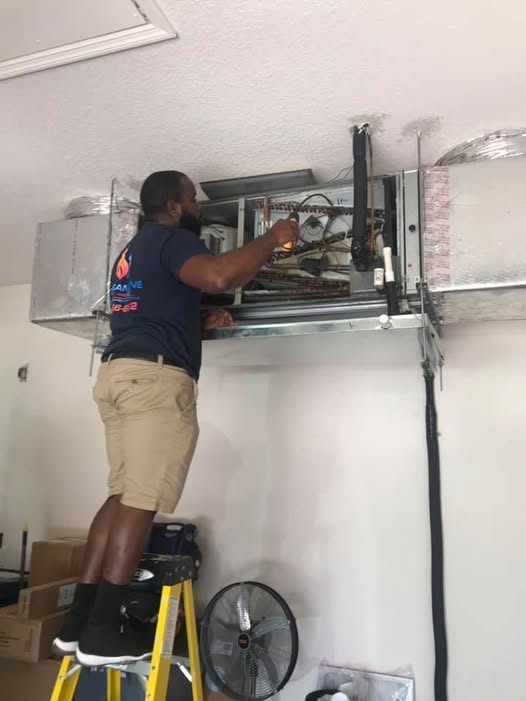
How often should HVAC ducts be cleaned? The short answer is every 3-5 years, according to the National Air Duct Cleaners Association (NADCA). But, in select situations, the above number can extend to every 6-8 years. Avoid cleaning your HVAC air ducts, and you could end up with respiratory health issues. So, with such a wide recommendation of time for cleaning (3-8 years, specifically) how do you know when an HVAC air duct should be cleaned? What factors influence the NADCA’s recommendation? Streamline Heating and Air here: our HVAC specialists dived deep into the research and found five tell-tale signs that indicate when you should clean your HVAC air ducts. We’ll discuss these signs below to help you with your future HVAC and A/C repair and maintenance jobs. Yes, regular air duct cleaning is necessary (5 warning signs and indicators) The research is clear: indoor human activity — particularly smoking cigarettes and cooking — can impact the cleanliness of indoor air (Tran, Park, and Lee, 2020). All the more reason to have air ducts cleaned on the regular. But besides tobacco smoke and particulate matter from cooking, recognizing that regular ductwork is needed to help stave off the worst effects of poor indoor air quality is a must. You may need to schedule an emergency HVAC air duct cleaning if you notice the following warning signs and indicators of dirty air ducts in your indoor space. 5 Warning signs that show your HVAC air ducts need cleaning 1. Visible mold or musty smell2. A preponderance of household pests3. Excessive amounts of dust and debris4. Excessive allergy and cold-like symptoms5. If you’ve changed homes, facilities, or properties (or if your property underwent a major renovation — or if your property was just built) 1. Visible mold or musty smells Especially in our humid and damp Florida climate, mold finds its way into the most damp and cluttered spots. In fact, mold loves to grow in difficult-to-reach places like air ducts. So, if you see mold, smell mustiness in the air, or experience physical symptoms like itching or coughing, you’ll want to check out the ductwork on your property. A reliable HVAC technician — or air duct cleaning service — can eliminate and prevent the mold from growing again. A reliable HVAC team will sanitize the area and kill the source of the mold growth. 2. A recent proliferation of pests Roaches, June bugs, and other creepy crawlers: they call your air ducts home if you haven’t cleaned them in recent years. As such, air- and land-born pests can contaminate indoor air with debris, droppings, and odor (yuck!). If you notice pests in and around your HVAC system’s ductwork — or if you notice a decline in your system’s performance — you may have bugs and pests on your hands and therefore be due for a proper air duct cleaning. 3. Large amounts of dust and debris Dust, pet dander, and dead skin cells and flakes: these dust and debris particles can build up inside air ducts. You’ll know you have an excessive debris problem on your hands if you notice plumes of dust blowing out of your air vents. Worst of all, large build-ups of dust and debris can cause respiratory problems and health issues for all parties involved. What’s more, dust and debris can decrease a system’s airflow and performance. Wasted airflow can decrease the integrity of an HVAC system and can be a huge drain on your wallet. To fix a debris and dust problem, you’ll want to call a professional cleaning service to sweep out your air ducts. Doing so will help ensure your HVAC system operates at maximum efficiency and in as safe a manner as possible for you and your loved ones. 4. Excessive allergy and cold-like symptoms Dust mites feed on human debris. These pests can make your air ducts their home. What’s more, dirty and dusty air ducts can impact health and trigger asthma among other respiratory conditions. If you notice you’re experiencing allergy and cold-like symptoms while in your indoor space, you’ll want to check in with an HVAC technician or professional air duct cleaner. Especially for newborns, young children, and the elderly, conducting regular air duct cleaning will ensure healthier indoor air quality for them. 5. Recent property/facility changes, renovations, or builds Whether you’re moving into a new home, changing business locations, building a new home, or building a new business facility, you’ll want to conduct air duct cleaning as part of the process. Especially if you’re moving into an indoor space where the previous tenant or owner was a smoker, or pet owner, or didn’t service their air ducts within the last three years, you’ll want to jump on air duct cleaning pronto. When building or moving into a new space, air duct cleaning can help rid a property of construction debris that accumulates during the building, remodeling, and property maintenance process. Since indoor construction tends to stir up dust, whenever you’re moving into or building a new property, air ducts should be cleaned. Doing so will remove any sawdust or other pollutants caused by construction that can clog your HVAC system’s air ducts. Streamlined, straightforward facts Air duct completion isn’t always as straightforward and streamlined as it may seem. But with us, no job is too large or small. We pride ourselves on transparency, clarifying how we completed each air duct jobs. To understand what our streamlined process for air ducts looks like, check out our recent spiral air duct jobs in one of our client’s homes. How often HVAC ducts should be cleaned In summary, air ducts should be cleaned every three to five years. In special circumstances, you might be able to push your air duct cleaning timeline to every six to eight years. But, the devil is always in the details. If you or a loved one are sensitive to indoor air quality, have respiratory health issues, or live with asthma, you can never go wrong with cleaning
Why Does My Air Conditioner Keep Turning On and Off (Solutions)?
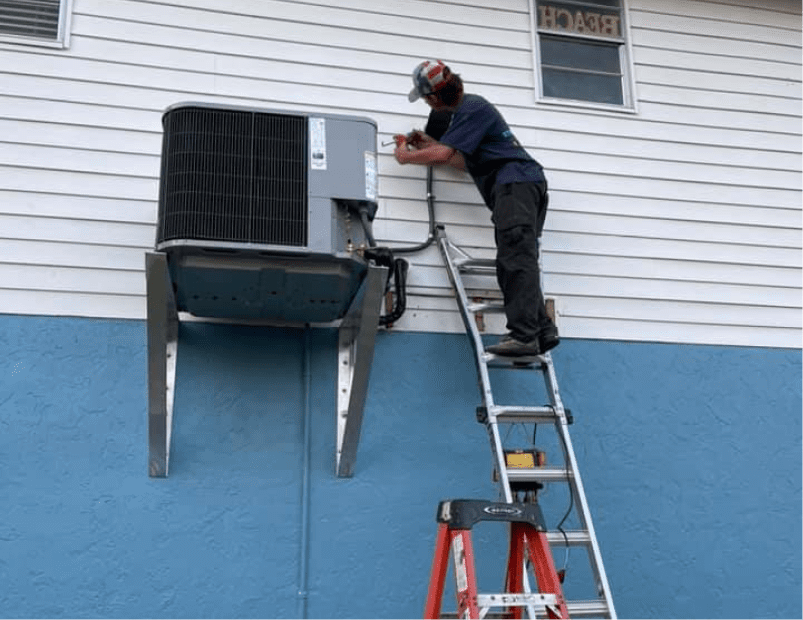
“My air conditioner keeps turning on and off,” one of our clients recently told us. Over the last 20+ years, we can’t tell you how many times our clients have had this very same complaint. When you come home from a satisfying day in the city, all you want is for your A/C to blow strong and long. We understand what it’s like for an air conditioner to turn on and off — and on and off again. You’ve probably thought to yourself at one point or another, “Do I replace the HVAC system itself? Is the issue with the air filters? What about the evaporator coils?” If you allow a short-cycling air conditioner to continue for long periods of time, you might see a rise in energy bills or flat out need a new air conditioner. If you notice your air conditioner turning on and off again — or short-cycling, as the phenomenon is called — this article is for you. In this blog post, we’ll discuss: 3 Components involved in short cycling A/Cs 1. Air filters2. Compressors3. Thermostats Short cycling When your air conditioner repeatedly turns on and off without completing a full cooling cycle — short cycling, as it’s called — the air conditioner shuts off the compressor before the A/C is supposed to shut off. The air conditioner then turns itself back on again and repeats the process. When short cycling occurs, your air conditioner wastes tons of energy and places stress on the air conditioner’s components. The compressor is especially susceptible to wear and tear when the A/C short cycles. If you notice your air conditioner is short-cycling, you’ll want to schedule an air conditioning repair in your living space, as an air conditioning repair team has the tools, knowledge, and experience to diagnose and nip the problem in the bud. What causes short cycling (and keeps turning A/Cs on and off) But, what exactly causes short cycling? You might wonder. The most common causes of a short-cycling air conditioner are the following: Clogged air filters When your air conditioner becomes clogged with dirt and debris, airflow becomes restricted in the air conditioner. For example, hot air becomes trapped in the system, which can cause an air conditioner to overheat and shut down. An air conditioner shuts down as a protection mechanism to keep the air conditioner safe. When the system cools down, the air conditioner will start back up again. Then, the cycle repeats. To fix an air conditioner with clogged air filters, we recommend changing out air filters every one to three months and doing so during the summer season. A quick switcheroo of air filters will allow air to circulate through the A/C system with greater ease. Compressors (and their role in short cycling) A compressor’s job is to push refrigerant gas through an air conditioner, that is, after the refrigerant evaporates in the evaporator coil. The evaporator coil then absorbs any remaining heat. But, did you know that compressors also help keep the rhythm of the air conditioner so that the air conditioner can absorb more heat out of the home during its operation? A compressor can become damaged if it ices over or if liquid refrigerant makes its way into the compressor’s chambers. The result? A malfunctioning compressor, can lead an air conditioning system to short-cycle. Malfunctioning thermostats and short cycling Last but not least, we turn to thermostats. Thermostats can lead an air conditioner to turn on and off, so issues with the thermostat can lead to short cycling. What’s more, if the wiring between an air conditioner and its thermostat is in disrepair — or if the thermostat is miscalibrated — the air conditioner can short-cycle. The reason is that your thermostat may not register the temperature in your home. When the A/C unit can’t recognize the temperature in your home, your air conditioner will start and stop in an effort to reach its desired temperature. Did you know? Speaking of thermostats, did you know that you can control your A/C with your smartphone? Honeywell and Nest make a full line of exceptional, easy-to-use thermostats that are functional and surprisingly fun to use. With the HVAC market expecting to see an increase in thermostats according to Dataintelo.com (2024), smart thermostats may be the way of the future. Check out what these bad boys look like in action on our Facebook page. The role of HVAC repair teams with short-cycling air conditioners For a short cycling air conditioning system, you can fix the A/C unit yourself. But, be aware that the hassle and stress with doing so may not make financial sense. Sometimes, the job will cost less — and be done right the first time — with a professional. Whether your A/C isn’t blowing cold air or it’s turning on and off over and over again, you’ll want to keep a reliable A/C repair and maintenance crew’s contact information on hand. If you live or work in the Sarasota, Florida region and need help with your A/C or HVAC system, give the Straightforward Professionals at Streamline Heating and Air a call. We’d be happy to offer you a no-cost, risk-free heating and A/C estimate for all your A/C installation and repair needs. For streamlined service and simplified A/C repairs, contact us today. Meet the Straightforward Professionals at Streamline A/C!
AC Not Turning On? 10 Reasons Why Your Air Conditioner Won’t Turn On
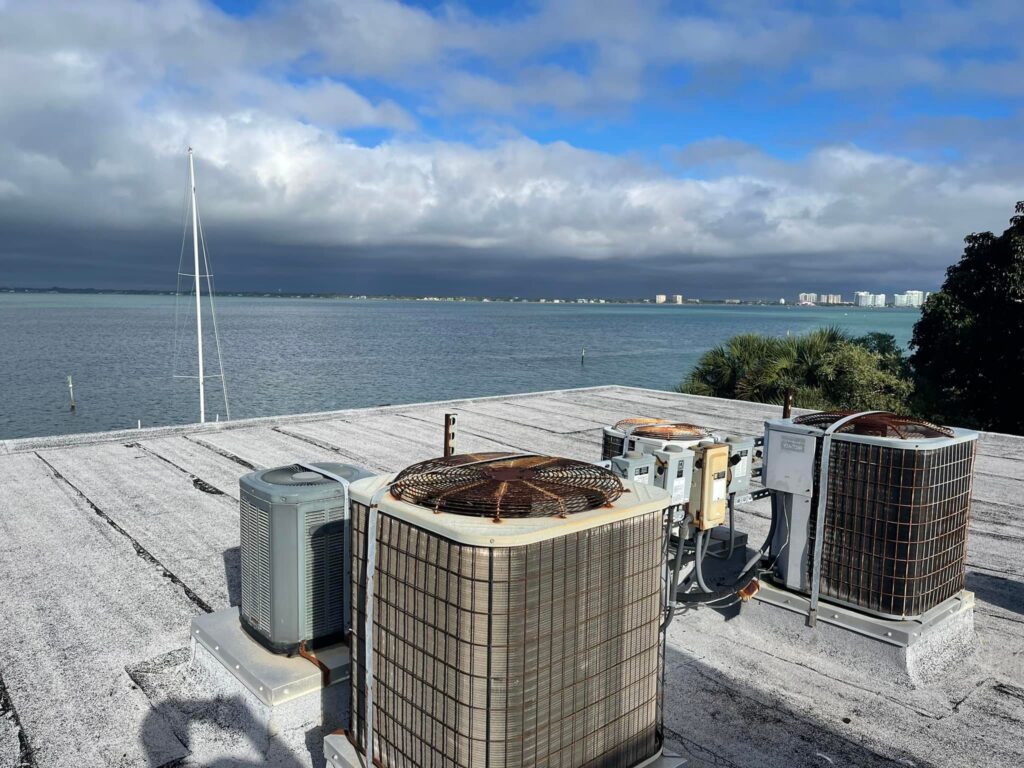
In Florida’s hot and muggy weather, staying cool and hydrated is a must. Fortunately, with today’s current HVAC technology, keeping cool and collected has never been easier. What happens when your air conditioner is not turning on? But when an A/C breaks down, you’ll want to be prepared. With extreme heat being one of the leading causes of weather-related deaths in the United States (Southern Methodist University, 2024), you can’t afford not to have your air conditioner turn on — especially for us Floridians. Air conditioner not turning on? Wondering how to prepare yourself if your air conditioner has issues? We have just the thing. In this article, we’ll discuss: 10 Everyday solutions and fixes for A/C units that won’t turn on 1. Check the thermostat2. Clean and replace your air filter3. Check the emergency shut-off switch4. Check the unit’s power switch5. Ensure the drain lines and pan are clean6. Hit your air conditioner’s “reset” button7. Look for ice buildups in evaporator coils8. Keep condensers clean9. Patch up blown fuses10. Look out for low refrigerant and refrigerant leaks Beyond thermostats: how air conditioner units works Air conditioners tend to have three main parts: The first two are located outside a residence or business, and the evaporator is inside. An air conditioner starts cooling fluid that enters the compressor. The compressor then squeezes the liquid, and the molecules in the liquid begin to become packed. The more the molecules are pushed together through pressure, the higher the temperature and energy will be produced. Then, this fluid exits the compressor as a high-pressure gas, but not before moving to the air conditioner condenser. A condenser helps heat disperse. Therefore, the fluid that leaves the condenser is cooler, changing from a gas to a liquid in the process. The fluid then moves to the last part of an air conditioner, the evaporator. As its name suggests, the evaporator’s metal fans exchange thermal energy with the surrounding air. The refrigerant leaves the evaporator, but as colder, lower-pressure gas, leaving your home and business cool and comfortable. So, while identifying issues in an air conditioner can be fixed on your own, the process can become complicated fast. The more you know the “why” behind what’s happening in your A/C unit, the better equipped you’ll be to keep it running with minimal fuss. Common areas that cause problems in A/C units The most common reasons why an air conditioning unit won’t turn on is due to issues with the A/C unit’s thermostat, circuit breakers, and condensers. Issues with the AC unit’s thermostat An A/C unit’s thermostat is often the culprit behind why an A/C unit won’t work. The thermostat communicates with your air conditioning unit. If the unit isn’t turning on when you need it to — or if it isn’t working — your system won’t be able to make heads or tails out of the temperature in your living space. Sometimes, resetting your thermostat is all that’s needed to ensure your air conditioner starts working again. Other times, the issue can be due to the circuit breaker. Circuit breaker problems A tripped circuit breaker is trouble and another reason why an A/C unit may not be turning on. If many appliances are being used at one time, the appliances can trip the circuit breaker. But why do circuit breakers trip? Circuit breakers trip when excess electricity flows to the circuit or when the circuit can no longer handle the excess current load. To reset your circuit breaker, look for your electrical panel. The electric panel is often located in the garage of a home (or dedicated room for utilities, if in a business location). Flip the switch from on to off and then back again. The quick flip on and off should do the trick. If not, though, you’ll want to inspect your HVAC system for condenser-related issues. Condenser-related issues Not having issues with your circuit breaker or thermostat? Sometimes, the issue could just be an unplugged condenser unit. To troubleshoot condenser unit issues, keep your eyes out for a brown cord that extends from your unit to a panel on the side of your home or business. Condenser wires can often come unplugged or damaged by the elements. When the cord becomes damaged or unplugged, electricity can stop flowing inside the unit, causing issues with starting up the A/C unit. If you’re having issues with your condenser unit, you can always call an HVAC professional to resolve the issue. If you choose to resolve the issue on your own, be prepared to assess at least ten major areas of your HVAC unit to discover the root of the problem. 10 reasons why (and fixes for) A/Cs that are not turning on If you’re looking to diagnose an A/C issue, the following 10 solutions can help you resolve why your air conditioner is not turning on. Your A/C unit may not be turning on due to a myriad of reasons. Try the following everyday solutions and fixes to help ensure your indoor temperature remains cool and comfortable: 1. Troubleshoot for thermostat issues Most thermostats have a function that allows users to set the indoor temperature to “cool.” Make sure your thermostat is on this setting and is set at five degrees below the current indoor temperature. Someone living in your home may have changed your home’s temperature settings — or the temperature setting may have been turned off — hence why your A/C unit may not be working. 2. Clean and replace your air filter Clogged and dirty air filters are another reason why an A/C unit may not turn on. Filters need to be cleaned and changed often. A dusty filter can clog an HVAC system, forcing an air conditioning unit to work more than it should to reach its intended temperature. Many air conditioning systems are built with a trigger that tells the system to turn off if the air filter is clogged
7 Reasons Why Your Air Conditioner Keeps Tripping its Breaker
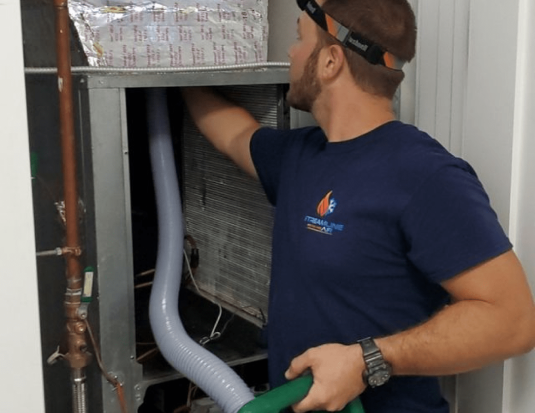
Darn, the air conditioner went off again. And, it keeps tripping its breaker. That’s frustrating! “Should I replace the HVAC system all together? Is it just the breaker? Or, is it something else?” You might wonder. We understand. Having had a few tripped breakers ourselves, dealing with tripped breakers is more than just an inconvenience. The source of disrepair can be confusing to target, but more, can become a safety hazard if not addressed quickly and with expediency. While you may or may not know what’s wrong with your air conditioner circuit breaker or how to fix it, we culled our resources and created this primer on why air conditioners keep tripping their breakers. If you’re wondering why your air conditioner keeps tripping its breaker, you’ve come to the right place. In this article, the Straightforward Professionals at Streamline Heating and Air will guide you through the seven most common reasons air conditioners trip their breakers. Common reasons for an air conditioner tripping its breaker 1. Dirty condenser coils2. Dirty filters in the air conditioning system3. Issues with the fan on the outdoor part of the A/C unit4. Compressor failures5. Frozen evaporator coil6. Low refrigerant levels in the unit7. Loose, faulty, or short-circuited wiring and parts in the air conditioning system 1. Dirty condenser coils tripping the air conditioner’s breaker Dirty condenser coils can be the culprit behind an A/C unit that keeps tripping its breaker. Condenser coils are responsible for releasing heat from an HVAC system, so if the coils are covered in dirt, grime, or debris, they won’t function as they should. And that’s bad news bears for your A/C system’s circuit breaker. To maximize performance from your A/C unit, make sure to clean your evaporator and condenser coils often. You’ll know dirty condenser coils are the reason for your air conditioner tripping its breaker if your air conditioner stays on for five minutes before tripping its breaker again. 2. Dirty air conditioner system filters A common cause of why an air conditioner system’s breaker trips is because the air conditioning system’s air filter is dirty. The purpose of an air filter is to help remove dirt, dust, and other particles from the air. As such, the filter can become dirty and clogged with debris if used for a great deal of time. When an air filter becomes clogged, airflow is restricted, and an air conditioner must work much more to cool an indoor area. What’s more, the increase in electricity usage caused by an A/C system straining itself can trip the circuit breaker. The flow of power is then disrupted to the A/C system. To fix a tripped breaker that results from dirty air filters, clean or replace the air filter often to keep the air conditioner running and to prevent unnecessary circuit breaks. 3. Issues with the air conditioner unit’s outdoor fan When an air conditioner fan breaks, the break can trip a circuit breaker. Here are three reasons why: Often, fan blades may be the culprit. Check that the air conditioner’s fan blades aren’t damaged or blocked by debris. If debris is blocking the fan, you can fix the fan by turning off the power to the A/C. Then, remove the material that’s blogging the fans. If the fan blades are damaged — or if you feel that the problem resides with the fan motor or other components around the fan — you’ll want to reach out to an air conditioner repair and maintenance team to resolve the issue. 4. Compressor failures cause breakers to trip Another reason why a circuit breaker may trip is if a compressor isn’t circulating refrigerant through the air conditioning unit. When the refrigerant isn’t able to circulate through the A/C system, an A/C unit can overheat. If you notice refrigerant leaks or strange noises, call an air conditioning specialist. If you have an older A/C unit that isn’t working properly due to compressor failures, knowing about how a compressor works can help you nip the problem in the bud. The contactor (the part of the A/C unit that supplies power to the compressor and other components) closes with a spring-loaded plunger. If dust and dirt cause the contact points of the plunger to become corroded, the contactor will work at a greater degree to close. As such, this process can burn out the contactor and therefore lead to a failed and damaged capacitor (another important component needed to give your A/C unit the electricity it needs to start). When the capacitor fails or becomes damaged, it needs to be replaced. Note: You may want to install a hard-start kit for an air conditioner compressor. “What’s a hard-start kit?” you might ask. A hard start kit helps support the compressor with amperage so the A/C unit can start without as much strain. The hard start kit provides a boost of energy so the compressor can start with greater ease. Fixing the compressor will help prevent short circuits so your air conditioner doesn’t continue to trip the breaker in your indoor space. 5. The evaporator coil froze up Aside from broken coil fans and overloaded compressors, evaporator coils can also cause circuit breaker trips. An evaporator coil can freeze up if an air conditioning system isn’t working as it should. When the evaporator coil freezes up, the HVAC system can overload and cause the breaker switch to trip. To prevent evaporator coils from freezing up, make sure to clear A/C vents so air can flow back through your A/C system. If the issues continue to persist, you may need to replace broken parts inside your unit to ensure a safer, well-functioning A/C system. 6. Your air conditioner unit is low on refrigerant Sometimes, the issue of a tripped breaker isn’t structural and has more to do with refrigerant levels and leaks. Air conditioner breakers trip when refrigerant levels drop below ideal levels. If refrigerant levels drop below acceptable levels, your A/C unit won’t be
8 Reasons Why Your Air Conditioner is Blowing Hot Air (Fixes)

Meet Sean. Sean just came home from a solid day’s work on a sweaty, Florida summer day. He’s thrilled to enjoy an ice-cold beverage in the peace, quiet, and comfort of his Florida home. But, when he turns on the switch, he realizes his air conditioner is blowing hot air. And in the middle of the day in 100-degree weather, the words “cool” and “comfortable” couldn’t be farther away in Sean’s mind. He’s going to have a long night ahead of him. Florida residents: if you’ve ever been in Sean’s shoes, you know what it’s like to experience the sweltering, muggy heat of our Florida climate. With an air conditioner blowing hot air, you might be out of luck using “cool” and “comfortable” in your vocabulary in a situation like Sean’s. “So, why exactly does an air conditioner blow hot air?” you might wonder. We’ve got your back. After more than 20 years of installing, repairing, and maintaining air conditioners in the Sarasota, Florida region, we’ve found eight common reasons why an air conditioner blows warm and hot air. If you’re wondering why an air conditioner blows hot air, continue reading on, as we explore the eight most common reasons why an air conditioner blows hot air. Why an air conditioner blows hot air (8 common reasons) 1. Thermostat issues2. Tripped breaker3. The air conditioner lines are clogged and water has built up4. The air filters are dirty and need cleaning5. Low refrigerant levels in the air conditioner6. Issues with the compressor7. Outdated parts and/or malfunctioning parts8. Duct leaks Reasons why air conditioners blow hot air In general, an air conditioner may not function because of issues that occur in five main parts in the HVAC system, including: Proper air circulation across these parts is key to ensuring the comfort, health, and safety of your indoor air. Let’s take a look at eight ways in which these components can cause air conditioners to blow hot air. 1. Your air conditioner thermostat is acting up Before calling a professional to look at an indoor air unit, you’ll want to check a few basic aspects. Sometimes, fixing the issue is about checking the thermostat. First, check to see that your temperature is set below the current air temperature, set the dial to “heat,” and if you have a zoned system, check both thermostats. Also, make sure your thermostat is set to “Auto” and not “On.” The “On” setting refers to the fan being on, not necessarily cold air blowing on through the air conditioner. If the issue isn’t related to the thermostat dial, the issue could also be in the thermostat’s batteries. If replacing the batteries don’t fix the issue, the thermostat could be malfunctioning. If you’re still having issues, consider reaching out to an HVAC installation and maintenance crew to determine if your thermostat needs to be replaced. 2. A tripped breaker could be the issue Another possible reason why an air conditioner might be blowing warm air is because the breaker switch could have been tripped. What’s more, the outdoor condensing unit might be powered off. You can fix a tripped breaker by peering in the circuit box. If the circuit box has tripped, flip the switch back, and check the air temperature again. If hot or warm air continues to blow, you may want to give your local HVAC professional so they can troubleshoot the issue. 3. Clogged A/C lines and water buildups Since every air conditioner produces water making the warm air flow cold, an air conditioner also uses a drain system to rid of the warm air. We call drain systems condensate drain lines or condensate lines for short. If the hose or condensate lines become clogged, the lines can leak water. Most units have a safety mechanism that causes the air conditioning compressor to shut down. Since the air conditioning compressor is responsible for transferring heat from the refrigerant to the condenser and condensate lines, if the A/C compressor isn’t working, your air conditioner could begin blowing warm air. Consider keeping your condensate lines clean to help your A/C unit blow cold air at full force. 4. The air filters are dirty and need cleaning Dirty air filters can create huge problems for an air conditioner. If airflow is restricted or affected by dirty or clogged filters, the A/C’s motor, fan, and compressor can be affected. For example, fans, compressors, and motors must invest more effort to ensure the flow of cool air indoors. If left untreated, dirty air filters can even cause an A/C system to freeze, as the evaporator coil will be affected. On the flip side, replacing air filters often can ensure consistent, unrestricted airflow that helps your HVAC system perform at its best. Did you know? If you see a rusty one of these on your outdoor air conditioning system, lightly wire brush and paint them. Painting these will prevent refrigerant leaks and help you prolong the life of a filter drier. For more tips and tricks about air conditioning systems, check us out on Facebook! 5. Low refrigerant levels could be the culprit Refrigerant refers to the agent that facilitates the heat-cold exchange in an A/C system. Low refrigerant levels can cause a system to cool less. As a result, the air conditioner may not blow cold air as well. When an air conditioner’s evaporator coil becomes dirty or leaks, the coil won’t perform the necessary processes to transfer heat and keep the circulated air cool. The result? The potential for more leaks, less comfort, higher electricity bills, and potential problems for an air conditioning system. If low-level leaks occur, the leaks can damage parts of the air conditioner and heat pump. Because the heat pump and air conditioner must invest more effort to keep the air cool, the machinery in the A/C system can degenerate, causing premature wear and tear to the air conditioner. If you need to recharge refrigerant fluid, you’ll want to speak with an HVAC pro, as
When Should I Replace an HVAC System (5 Tell-Tale Signs)?
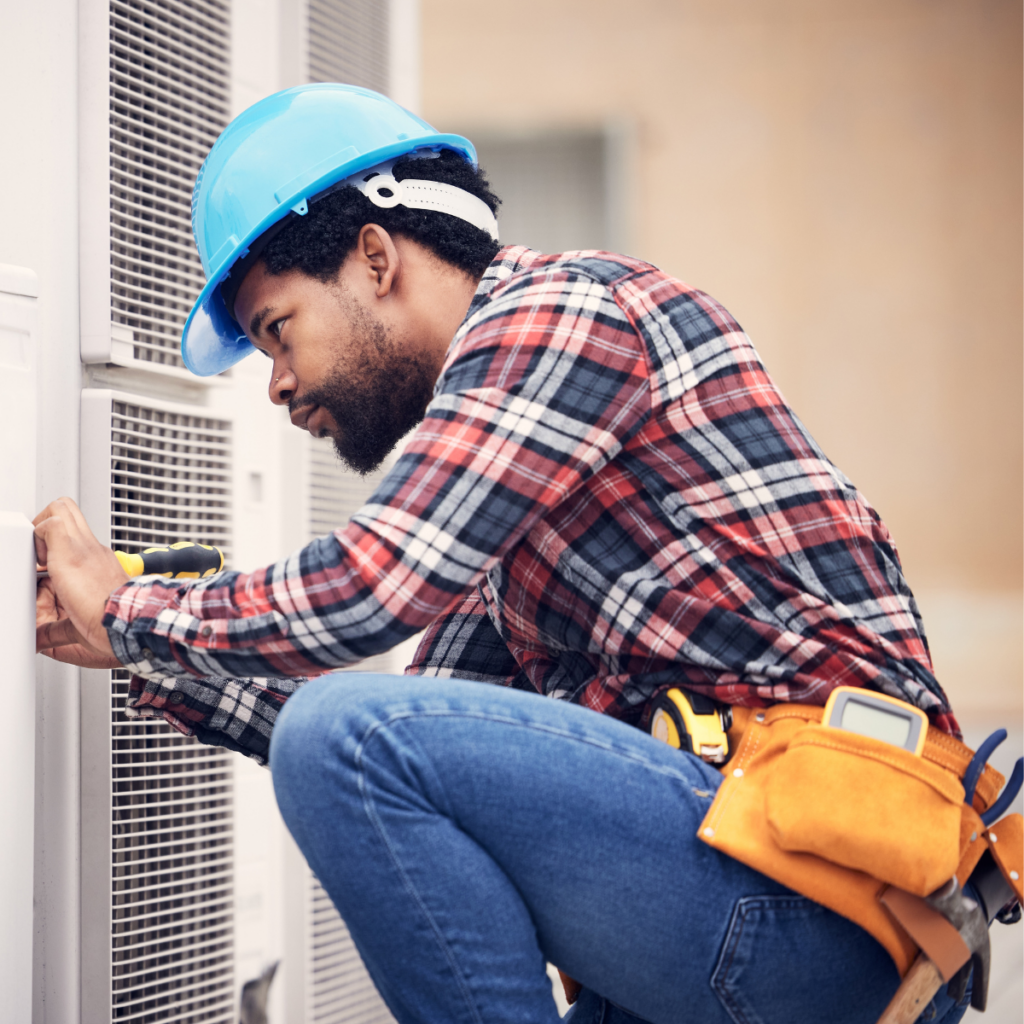
Did you know that heat-related illnesses tend to be higher in small urban and rural areas than in urban centers, according to recent data from the Public Library of Science (PLOS)? And to think that a crisis could’ve been averted if a person had known when to replace their HVAC system. Homeowners and businesses: especially in Sarasota, Florida, keeping your cool is paramount. But, we get it. How do you know when to replace an HVAC system versus make a small repair? If you’re wondering to replace an HVAC system, you’ve come to the right place. Join us! In this article, we’ll highlight five tell-tale signs that an HVAC system needs replacing, as well as other helpful answers to any HVAC system-related questions you may have. Let’s dive in. 5 tell-tale signs that an HVAC system needs replacing 1. Utility bills climb2. Temperatures are uneven throughout the house3. The HVAC system is running nearly day and night4. The HVAC system is more than 15 years old5. You spend a great deal of money on repairs 1. Climbing utility bills for an HVAC system While spending more money on utilities when you’re trying to cool a home is normal, the bill shouldn’t be a great deal higher than it was in the same month last year. If you notice your utility bills rising more than usual, the issue could be with the HVAC system itself. Build-ups of dirt and corrosion on the inside of the unit could cause the loss of efficiency (and therefore the rising cost of utilities). Expect that an air conditioner and heater unit will lose about 5-10% of its efficiency as it ages. That’s normal. But if you see a drastic peak in the cost of utilities, you’ll want to reach out to an air conditioner repair and maintenance specialist. If you need extensive repairs that could exceed the HVAC unit’s value, you might be better off replacing the unit outright. 2. Your HVAC unit produces uneven temperatures in your home Picture this: you’re moving through your kitchen and cooking in a cool, temperate environment. But, as soon as you go to your bedroom, the room feels like a sauna. The temperature can’t possibly be ten degrees cooler on one part of the home than the other. The issue is likely the heating and cooling system. If you notice your HVAC unit cooling part of your home cool but not the other, you may need to replace the unit. Sometimes, air conditioning systems run in short cycles, causing the system to turn off. As a result, humidity remains, meaning that certain parts of the home feel warmer or stickier than others. Also, if the home’s temperature is inconsistent throughout the house, the issue could be with the airflow through the ducts. Since ducts carry warm and cool air to each area in a home, if the ducts become clogged or dirty, they’re likely to be less efficient. To keep your home comfortable, consider annual maintenance on your AC unit or investing in a new HVAC system outright. 3. The air conditioner (and/or heater) run near day and night During the blistering hot summers and cold winters, a cooling and heating unit may work overtime to keep a home comfortable. But, if you notice that the HVAC system won’t turn off on a mild day, you may want to consider the cost of a new air conditioning and heating unit. Likewise, the culprit could be dirt that’s clogging the system, compressor issues, or needed ductwork. Though the unit might be working well with a repair, consider the cost of a new, energy-efficient HVAC system as an alternative to an HVAC repair. 4. Your HVAC system is 15 years or older The reason we say 15 years is because most HVAC systems last about 15 years. In fact, some HVAC units last 20 years or more. The longevity of an HVAC system depends on how well the system has been installed and maintained over the years. If you have an older HVAC system — and you notice that it’s on its last legs — you may want to replace your HVAC system. Purchasing a new HVAC system may even save you money in the long run versus repairing the system time and time again. 5. You’re spending a great deal of money on repairs Speaking of repair work, if you find your AC unit isn’t blowing cold air — and you’re repairing your HVAC system time and time again — you might want to consider replacing it. Keeping an HVAC system running means conducting repair work at least once a year. Some repairs — like capacitor replacements — are cheaper than others. For example, coil or compressor replacement costs a pretty penny. A clogged air filter change? Not so much. If you find that the cost of the HVAC repair exceeds what you had in mind, you might want to consider replacing your home’s HVAC system. Pro tip from the Straightforward Professionals Have you been considering a new HVAC system? Many air conditioning repair contractors offer end-of-the-year specials. You can find huge discounts on Energy Star-certified air conditioners among other A/C units with your local HVAC pro. Ask us about our end-of-the-year specials. We have tons of discounts on new Carrier systems, A/C units, and much more. To see what our new HVAC systems look like post-installation, feel free to browse photos of our new HVAC installations on our Facebook page. Need a hand with HVAC unit repairs? In summary, if you notice you’re forking over a hefty chunk of change for repairs, your HVAC system is creeping up there in age, and the temperature isn’t holding steady throughout your home, you may want to consider installing a new HVAC system. Also, if your unit is almost always running or resulting in higher utility bills, you’ll want to call an HVAC professional to troubleshoot the source of the issue. For all things HVAC installation, maintenance, and repair-related, reach out
Air Conditioner Brands to Avoid and This Year’s Best A/Cs (2025)
When summer arrives, you want an air conditioner that beats the heat. But, nothing feels worse than picking an air conditioner brand that may be affordable at first glance, but is neither efficient nor reliable at the end of the day. You’ll want to keep in mind which air conditioner brands to avoid. We’ve been in your shoes before. Not to worry. Businesses and homeowners: to lessen the headache, hassle, and cognitive load of having to choose the right A/C, our HVAC pros created this article about this year’s best A/Cs — as well as air conditioner brands to avoid for 2025. If you’re considering a new air conditioner for your home or business, consider our list of this year’s best and worst air conditioner brands. Let’s dive in! Table: The best A/Cs and air conditioner brands to avoid (2025) The Best Air Conditioner Brands😊 Air Conditioner Brands to Avoid😓 1. Carrier2. Trane3. York4. Lennox5. Bryant6. Goodman7. Rheem8. American Standard9. Amana10. Ruud 1. Concord2. Luxaire3. Coleman What to expect from the best air conditioner and HVAC brands. Dealing with an unexpected AC breakdown? Get fast help from our 24/7 team Emergency HVAC service in Sarasota, FL What to expect from the best air conditioner and HVAC brands Especially in our hot and humid Florida, A/C units are a must. Air conditioners help keep us cool during the hot summer months. The question is: which one is the best one — and which is best to avoid? Perhaps, the better way to ask this question is which A/C brands are budget-friendly, energy-efficient, known for reliability, and available in different models. The best air conditioners and HVAC brands in the HVAC industry tend to be: But, these brands aren’t the only air conditioner brands on the market. If you’re looking for an air conditioner that’s both energy-efficient, reliable, and available in different models, you’ll want to check out our top 10 A/C brands and air conditioners below. Our top 10 A/C brands and HVAC systems When creating this list of top high-quality air conditioner brands and units, we looked at whether the air conditioners created cool and comfortable environments for businesses and homes large and small. These air conditioner brands are the best on the market. If you’re looking for a new air conditioner, check out these different air conditioning brands. 1. Carrier air conditioners Carrier makes A/C units that are smaller, more energy efficient, and quieter than most brands. They come in a variety of sizes and configurations, allowing you to find an A/C unit that’s just the right fit for your home or office space. What’s more, because these reliable air conditioners are energy efficient, you’ll also save money on utility bills each month. Rest assured, Carrier air conditioners are powerful and will keep you cool during the dog days of summer. 2. Trane air conditioners Trane air conditioners are some of the most popular A/C brands on the market. Their quality, durable, and efficient HVAC units are easy to install. Plus, these handy A/C units are easy to maintain, meaning you likely won’t have to deal with a faulty air conditioner that leaks water on the regular. Trane makes a wide variety of air conditioners, making them an ideal choice for those looking for a high-quality air conditioner that will keep going when the hot weather gets going. 3. York air conditioners York is a mainstay in the HVAC industry. For more than 50 years, they’ve been making a range of air conditioner models that are both reliable and efficient. What’s more, York’s models use recycled refrigerant. York holds Energy Star certifications, making York an ideal air conditioner for people looking for air conditioner systems that boast eco-friendly features. Whether you need a small or large unit for a home or office space, York has units for every need. 4. Lennox air conditioners Another greater air conditioner brand on today’s market is Lennox. Also known for being reliable, efficient, and durable, Lennox’s air conditioners stand the test of time. Many homeowners report rarely needing repairs or replacement parts for their A/C unit. For a powerful central air conditioner unit that will deliver years of quality air purification in addition to quality HVAC units, look no further than Lennox air conditioners. 5. Bryant air conditioners Of the brands that consistently deliver reliable performance and energy-efficient air conditioning solutions, Bryant takes the cake. Arriving in a range of sizes, Bryant air conditioners come with a variety of features designed for comfort. For example, Bryant air conditioners include variable-speed compressors and filter driers to keep you cool and comfortable all year long. 6. Goodman air conditioners Goodman offers modern air conditioning systems for every need. Their products are known for durability and reliability. Plus, they’re jam-packed with features and have an excellent warranty on HVAC systems and air conditioners. Goodman is considered one of the best brands for people looking for air conditioners to keep them cool during the summer. 7. Rheem air conditioners Of the different brands on this list, Rheem air conditioners are known for being some of the best on the market. Their extensive collection of air conditioners is known for being energy-efficient, affordable, and reliable. What’s more, their customer service team is top-notch, so you’ll be well supported if ever an issue arises with the quality of your indoor air. 8. American Standard air conditioning systems American Standard air conditioners and HVAC systems are renowned for their powerful central air units and compact window units. American Standard’s brand is synonymous with quality, durability, and efficiency. With their many energy-saving features, brands like American Standard are a quality choice for buyers looking for the top-quality air conditioners. 9. Amana air conditioner systems While well-known for their appliances — such as microwaves, dishwashers, and refrigerators — did you know that Amana also manufactures air conditioner systems? Amana’s air conditioners are a great choice for those looking for