
HVAC Service in Sarasota: What to Expect from the Experts

If you’ve ever experienced a Florida summer, you know your AC isn’t just a luxury—it’s a lifeline. That’s where HVAC service Sarasota comes in, making sure your home stays cool, efficient, and safe all year long. From fixing unexpected breakdowns to installing top-notch central air systems, a reliable local team can be your best friend in the battle against heat and humidity. At Streamline Air, we’re not just about quick fixes—we’re about long-term comfort, energy-efficient HVAC solutions, and even improving indoor air quality, Sarasota. Whether you need a tune-up, a brand-new system, or emergency repairs, we’ve got the experience and local know-how to keep your comfort on track. Full HVAC Services We Offer in Sarasota When you hire us, you’re not just getting a repair crew—you’re getting a complete comfort partner. Here’s what our HVAC service Sarasota covers: We don’t do “one-size-fits-all.” Each home is different, so we match the service to your needs, lifestyle, and budget. Why Regular HVAC Maintenance Is Essential Skipping maintenance is like skipping oil changes for your car—you might save time now, but you’ll pay for it later. With scheduled HVAC maintenance Sarasota, you can: Our maintenance visits are quick, affordable, and designed to keep your comfort uninterrupted. Real Sarasota HVAC Projects (Proof of Expertise) We believe in showing, not just telling. Here’s what some of our Sarasota customers have shared about their recent experiences with us: These aren’t just jobs; they’re comfort success stories we’re proud to share. Benefits of Choosing a Local Certified HVAC Team Going local for your HVAC service, Sarasota means you’re working with a team that understands the climate, the building codes, and the unique challenges of our area. Our certified techs bring: Plus, you’re supporting a local business that invests right back into the community. Schedule Your HVAC Service with Streamline Air If there’s one thing Sarasota weather has taught us, it’s that being prepared beats sweating it out. From AC installation Sarasota to urgent HVAC repair Sarasota, our goal is to keep your home comfortable 24/7. We design central air systems for maximum efficiency, focus on energy-efficient HVAC solutions, and protect your indoor air quality in Sarasota year-round. Whether it’s routine HVAC maintenance Sarasota or a full system upgrade, HVAC service Sarasota is more than just a job for us—it’s our commitment to your comfort. Contact us today, and let’s make sure your home is ready for whatever the Florida climate throws at it.
Emergency Air Conditioning Service in Sarasota: 24/7 Help You Can Trust
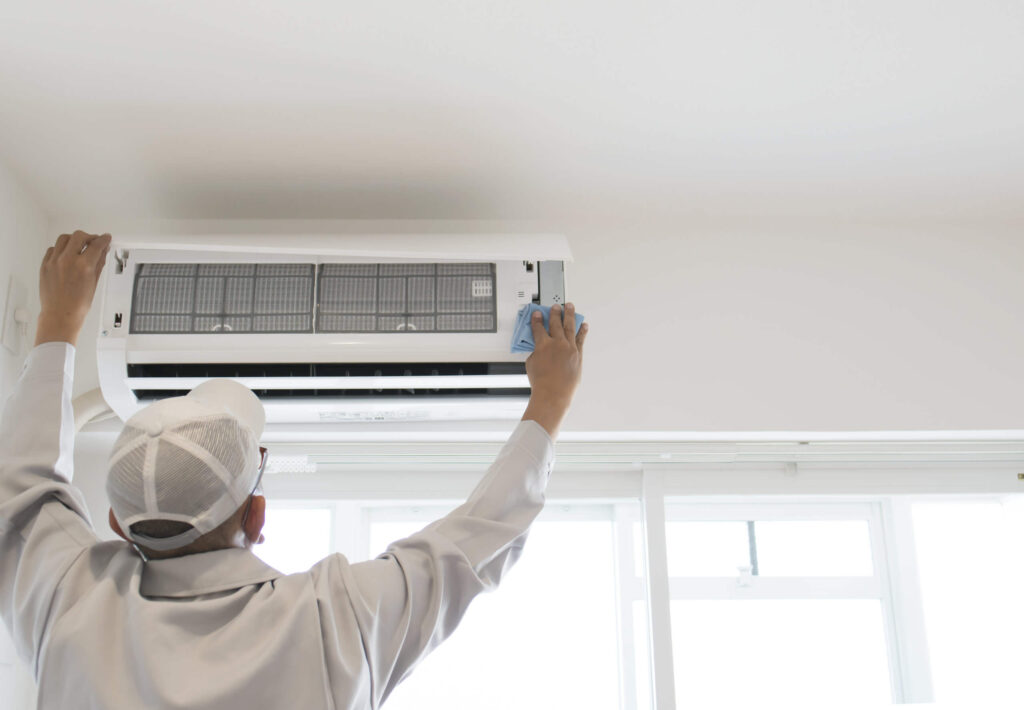
When the Florida heat decides to crank things up, the last thing you want is your AC calling it quits. That’s when having emergency air conditioning service you can rely on becomes a lifesaver—literally for your comfort. In Sarasota, the humidity alone can turn your home into a sauna in minutes. That’s why our team offers 24/7 AC repair Sarasota with lightning-fast response times, so you don’t have to endure a sticky, sleepless night. From urgent AC service Sarasota during a Sunday BBQ to after-hours AC repair at 2 a.m., we’re here when your cool air disappears without warning. When to Call for Emergency AC Service Sometimes, you can wait until morning for AC repairs. Other times, waiting isn’t an option. Here are situations where emergency HVAC repair makes all the difference: If you’re unsure whether it’s a true emergency, remember this—when comfort or safety is at risk, calling for weekend AC service or fast cooling solutions, Sarasota right away is the smart move. What to Do Before the Technician Arrives While waiting for your urgent AC service Sarasota tech to arrive, a few quick steps can help you stay cooler and protect your system. Step Action Why It Helps 1 Turn the thermostat to “OFF” Prevents further damage if something is broken. 2 Check the breaker Sometimes the fix is as simple as resetting power. 3 Close blinds and curtains Keeps sunlight from heating up the house. 4 Use ceiling or box fans Improves air circulation while you wait. 5 Stay hydrated Heat can be exhausting—drink water regularly. These small actions won’t replace your AC, but they’ll make the wait for after-hours AC repair far more bearable. Fast Response from Streamline Air Experts When your home feels more like a greenhouse than a sanctuary, our team at Streamline Air doesn’t waste a second. We specialize in emergency HVAC repair with quick dispatch times and skilled technicians ready to handle any make or model. Whether you’re dealing with refrigerant leaks, a frozen evaporator coil, or a stubborn fan motor, we bring the tools and experience to restore comfort quickly. Our 24/7 AC repair Sarasota service means we’re always on call—nights, weekends, and holidays included. We know the heat doesn’t care about business hours, and neither do we. Real Sarasota Emergency Repairs We’ve Completed We’ve seen just about everything when it comes to emergency air conditioning service in Sarasota. Every call is treated like the most important one of the day—because for you, it is. Call Now for Immediate AC Service When the Florida heat is pressing in and your AC quits, waiting isn’t an option. Our emergency air conditioning service brings urgent AC service Sarasota to your door, 24/7, with experienced techs who fix it right the first time. From emergency HVAC repair at midnight to fast cooling solutions in Sarasota on a sweltering Sunday, we’re your comfort’s first line of defense. If your cooling system has gone silent, call now for after-hours AC repair you can count on. We’re ready whenever you need us. Contact us today—because comfort can’t wait.
AC Mini Split Repair: Keep Your System Running Like New
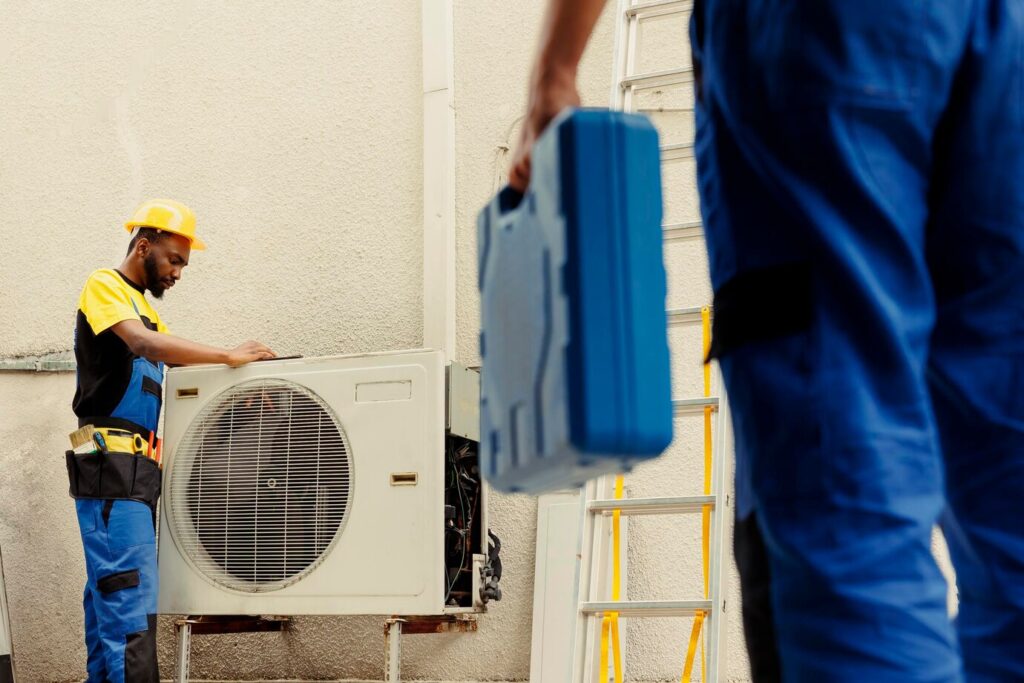
When your mini split system starts acting up, it’s easy to panic, especially in the middle of a hot Florida afternoon. Maybe the air isn’t as cool as it used to be. Maybe the unit’s making strange sounds. Or maybe, worst of all, it’s just… not working at all. Here’s the good news: most of the time, a quick AC mini split repair can bring your system back to life without the stress (or cost) of a full replacement. In this guide, we’ll explain what a mini split is, the most common issues, how we fix them, and when it’s time to pick up the phone and call in the pros. If your system needs help, AC mini split repair is just a call away. What Is a Mini Split AC System? Before we talk about how to fix one, let’s break down what it is. A mini split (also called a ductless mini split) is a compact air conditioning system that cools (and sometimes heats) rooms without ductwork. It has two main parts: These two components are connected by a refrigerant line and some electrical wiring—no giant metal ducts required. So why do people love them? That said, like any HVAC equipment, mini splits can run into trouble. That’s where professional AC mini split repair comes in. Signs You Need Mini Split Repair Mini splits usually do their job quietly in the background—but when something’s off, they’ll let you know. Here are a few signs it’s time to consider AC mini split repair: If you’ve noticed any of these issues, don’t ignore them. A fast AC mini split repair can save you from bigger (and more expensive) problems later. Common Mini Split Issues We Fix We’ve seen it all when it comes to mini split systems. Whether it’s a brand-new install with a glitch or an older unit needing some TLC, here are the issues we tackle most often. Sensor Issues Mini splits use temperature sensors to decide how much to cool. When sensors get dirty, knocked out of place, or fail entirely, you might notice: Our team carefully tests and recalibrates sensors—or replaces them if needed—to get your system back on track. Refrigerant Leaks Refrigerant is the magic juice that cools the air in your system. If your mini split is low on refrigerant due to a leak, you’ll likely experience: We use manufacturer-recommended diagnostics and sealants, then recharge your system to factory-level specs—no guesswork involved. Poor Airflow If your mini split is barely blowing any air, the problem could be: Our repair team will clean, test, and replace components as needed to get that airflow moving like it should. Why Professional AC Mini Split Repair Matters Let’s be honest: YouTube videos make AC mini split repair look easy. But in reality, these systems are precise, high-tech machines. Trying to DIY a refrigerant recharge or sensor reset can do more harm than good. Here’s why calling a pro is worth it: In short, a licensed HVAC tech doesn’t just fix the problem—they fix it the right way. Benefits of Repair Over Replacement We get this question all the time: Should I repair it, or just get a new one? In most cases, AC mini split repair is the better move, especially if your system is less than 10 years old. Here’s why: Of course, if your mini split is pushing 15 years and breaks down regularly, we’ll be honest with you. Sometimes replacement is smarter long-term. But when can a good repair do the trick? We’ve got you covered. Mini Split Repair Case Study: Real Service, Real Fixes One of our recent customers in Palm Coast called us after noticing their bedroom unit wasn’t cooling properly. They assumed it was time for a full replacement, but after a quick AC mini split repair, the system was as good as new. Here’s what we did: Cleaned the clogged filter and coils, replaced a faulty temperature sensor, and recharged the low refrigerant after locating a small leak. Total repair time? Just under two hours. And they saved hundreds by choosing repair over replacement. Real results, real fast. How Long Does an AC Mini Split Repair Take? Most repairs take just a couple of hours. But it really depends on the issue: We’ll always give you a transparent time and cost estimate before starting. No surprise charges, no upselling, just honest AC mini split repair from pros who respect your time. Tips to Avoid Future Mini Split Problems Want to keep your system running like new? Regular maintenance goes a long way. Here’s what we recommend: Maintenance doesn’t have to be a hassle—and it helps you avoid those “uh-oh” moments that lead to emergency repairs. Schedule Your Mini Split Repair Today If your mini split is acting up, don’t sweat it—literally. Whether you’ve got poor airflow, sensor problems, or a refrigerant leak, we can help. At Streamline Air, we specialize in fast, reliable AC mini split repair that brings your system back to life, without the guesswork. You now know what mini splits are, the most common issues, and why professional service is the best way to go. A quality repair isn’t just a quick fix—it keeps your home cool, your energy bill down, and your system running longer. Need help with your system? Contact us now to schedule your AC mini split repair and keep cool the smart way.
Best HVAC Brands with Lifetime Warranties (2025 Sarasota Update)
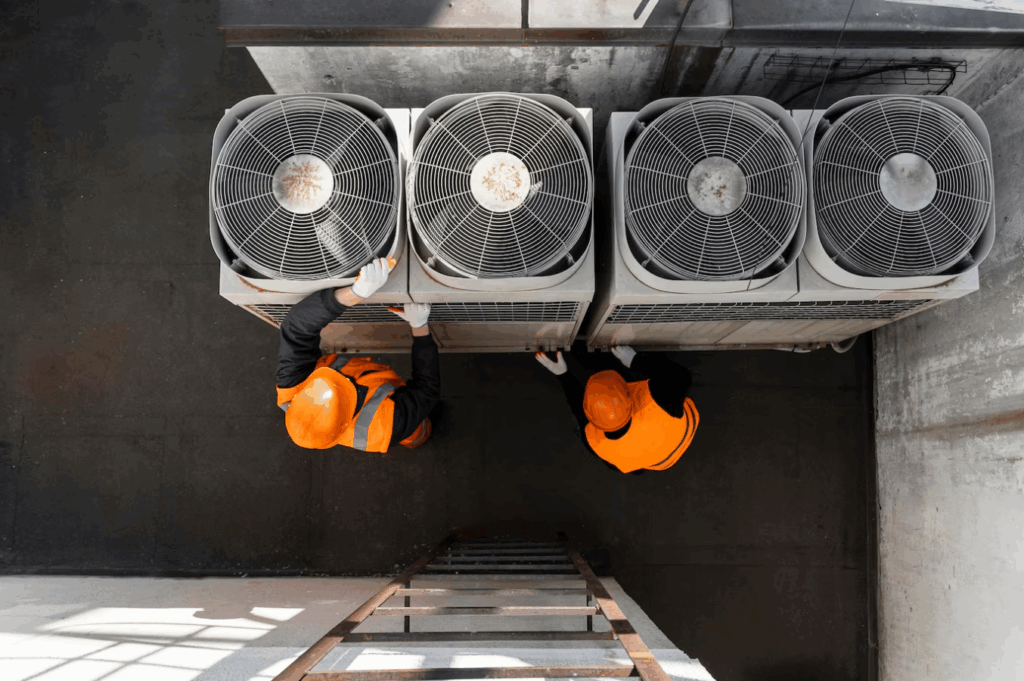
When you live in Sarasota, your air conditioner isn’t just a luxury—it’s a survival tool. But what happens when it breaks down again and again, leaving you sweating and shelling out cash? That’s where an HVAC lifetime warranty comes into play. Imagine never stressing over a surprise repair bill because your system is fully covered for life. This blog is your one-stop guide to the best HVAC warranty Sarasota homeowners can get in 2025. We’ll dive deep into the warranty comparison HVAC scene so you can invest smartly and chill (literally and figuratively) for years to come. Tired of Paying for the Same A/C Repairs Over and Over? You’re not alone. In Sarasota’s sizzling summers, your system works double-time. And when it fails, it feels like you’re stuck in a never-ending heatwave. That’s why choosing a system with an HVAC lifetime warranty is crucial. It means fewer repair costs and more peace of mind. Let’s see which brands have your back and which might leave you sweating. HVAC Warranty Comparison (2025) Before you start shopping, you need to know who’s offering what. Here’s a quick warranty comparison HVAC table to help you see the winners and the losers. Brands with Excellent Warranties Brands with Limited or Short Warranties 😞 Top HVAC Brands with Strong Warranties Now let’s break down why these brands stand out when it comes to an HVAC lifetime warranty and why they offer the best HVAC warranty Sarasota homeowners can trust. Amana Amana leads the pack with its lifetime unit replacement warranty. If the compressor fails, they don’t just swap the part—they replace the entire unit. That’s a big win in any warranty comparison HVAC systems. Goodman Goodman offers a lifetime compressor warranty, perfect for Sarasota’s intense heat. When you’re comparing the best HVAC warranty Sarasota options, this one keeps coming out on top. Daikin Daikin gives you a 12-year parts warranty plus some labor coverage for registered units. While not technically a full HVAC lifetime warranty, it’s still one of the strongest offers you’ll find. American Standard A trusted name with a 10-year parts warranty if registered. Solid and reliable, it stands tall in any warranty comparison HVAC discussion. Trane Trane doesn’t promise forever, but their 10-year registered parts warranty is strong enough to keep Sarasota homeowners cool and confident. When looking for the best HVAC warranty Sarasota, Trane deserves a look. Why Warranties Matter More in Sarasota Sarasota isn’t easy on HVAC systems. The salty coastal air can corrode parts faster, and the high humidity puts extra wear on coils and compressors. A solid HVAC lifetime warranty means you won’t be stuck footing the bill for constant repairs. It’s all about protecting your investment and your comfort. Real Sarasota Install Examples We don’t just talk the talk—we walk it, too. At Streamline Heating and Air, we install these top brands right here in Sarasota and make sure every system is properly registered. “Streamline Heating and Air made the whole process effortless. My home is cooler than ever, and I feel secure with my HVAC lifetime warranty!” — Mark T. “Professional, quick, and they handled all the warranty paperwork for me. Highly recommend!” — Susan L. “I never knew an HVAC lifetime warranty could bring so much peace of mind. Thanks, Streamline!” — David R. Our team ensures your HVAC lifetime warranty stays intact from day one. Check out our installation services. FAQs About HVAC Warranties in Sarasota Q: Does every HVAC brand offer a lifetime warranty? A: No. Only select brands offer an HVAC lifetime warranty, mainly on compressors or entire units. Others max out at 10–12 years. Q: What voids an HVAC warranty in Florida? A: Poor installation, not registering the system, or skipping maintenance checks. Our team handles everything so your warranty stays valid. Q: Can I transfer my HVAC lifetime warranty to a new homeowner? A: Many warranties are transferable within a limited window, often 90 days. Always check the fine print. Q: How do I know if my system is still under warranty? A: We can look it up for you during a tune-up or inspection. Staying informed helps you avoid unexpected expenses. Want Peace of Mind with a Lifetime Warranty? We know you don’t want to worry about unexpected breakdowns or costly repairs. Choosing a system with an HVAC lifetime warranty is a smart move for long-term comfort and peace of mind. By understanding the warranty comparison HVAC options and finding the best HVAC warranty Sarasota offers, you’re set up for years of reliable performance and savings. When you’re ready to enjoy stress-free comfort, Streamline Heating and Air is here to help with expert installation, warranty registration, and ongoing support. Get in touch today to schedule your free estimate and discover just how easy staying comfortable can be.
2025 Air Conditioner Buyer’s Guide for Sarasota, FL: What’s Changed Since Last Year
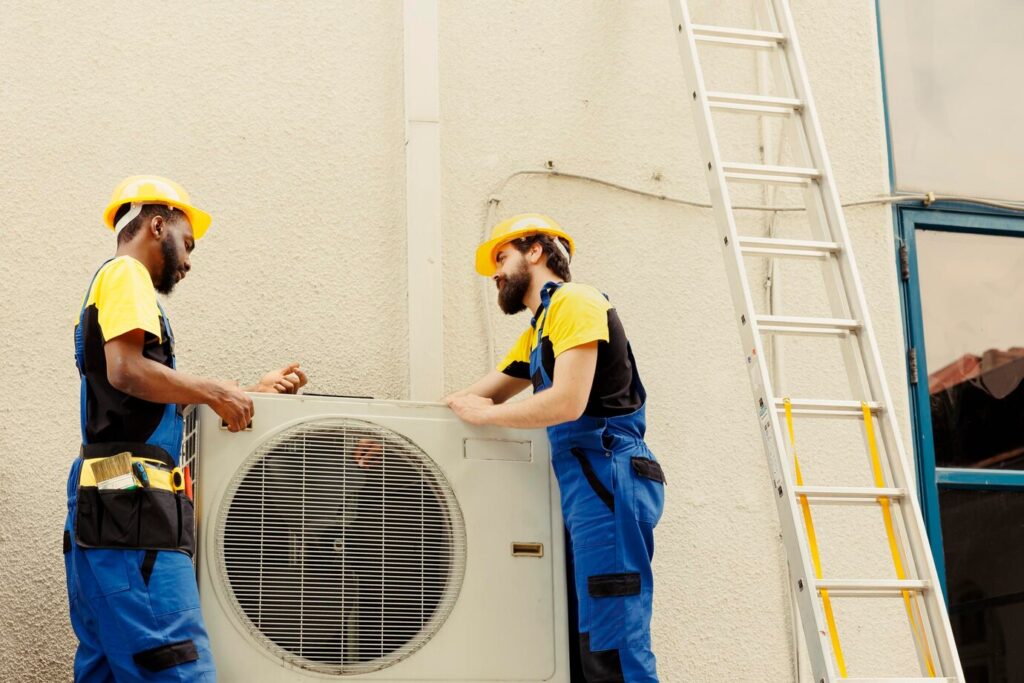
Feeling Confused About Which Air Conditioner to Buy in 2025? Shopping for a new A/C shouldn’t feel like studying for a science test, but with all the new gadgets and rule changes, it can sure feel that way! Between new energy standards, high-tech gadgets, and endless brands promising “the best,” Sarasota homeowners are left scratching their heads. The hot, sticky Florida weather doesn’t make it any easier — you just want a cool, comfortable home without a mile-long electric bill. That’s exactly why we’ve put together this 2025 HVAC trends guide. In this easy-to-follow air conditioner buying guide, we break down what’s new, what’s worth it, and what SEER rating do I need to keep your home chill and your wallet happy. What’s New in 2025? A Look at Old vs. New A/C Features Before we go deeper, let’s break things down side by side so you can see exactly what’s changed in the world of 2025 HVAC trends. Feature Category Before 2024 New for 2025 Minimum SEER Rating SEER 14 SEER 15+ (new DOE standards) Smart Controls Basic thermostats optional Standard smart WiFi thermostats Energy Efficiency Many single-speed units More inverter-driven variable speed Refrigerants R-410A common New eco-friendly refrigerants Warranty Length 10 years typical 12–15 years common Why Sarasota Homeowners Should Care Here’s the scoop: Sarasota’s humid, sun-soaked climate demands more from your A/C than you might think. The new 2025 HVAC trends focus on higher efficiency and better humidity control. So, what does that mean for you? If you’ve been wondering, what SEER rating do I need? The answer is at least SEER 15 for 2025 — but aiming for SEER 16+ is a smart move for Sarasota. Real Sarasota Success Stories We’re not just talking theory here — we’ve seen these benefits firsthand! Our team recently installed the Carrier Infinity 26 and Lennox XC25 systems in Sarasota homes. These homeowners noticed immediate energy savings, whisper-quiet operation, and better humidity control. The feedback? “Wish we’d upgraded sooner!” Testimonials Hear from real Sarasota homeowners who upgraded using the latest 2025 HVAC trends — they’re loving the results! “Streamline Air made the whole process easy and stress-free. Our new system is quiet and our bills dropped!” — Mike R. “We noticed a huge difference right away. The house is cooler and the air feels so much cleaner.” — Linda S. “Professional team, fast installation, and great support even after the job was done. Highly recommend!” — James T. Top Reasons to Love 2025 HVAC Trends If you’re still on the fence, let’s highlight what makes these 2025 HVAC trends so exciting: This air conditioner buying guide wouldn’t be complete without answering the big question: what SEER rating do I need? For Sarasota, higher is always better — it means better performance, lower costs, and longer system life. FAQs About Buying an Air Conditioner in 2025 Q: What SEER rating do I need in Sarasota for 2025?A: You’ll need at least SEER 15, but SEER 16+ is even better for energy savings and comfort. Q: Do new A/C units come with smart thermostats?A: Yes! Most 2025 systems include WiFi-enabled smart thermostats as standard. Q: Will new refrigerants change my cooling performance?A: Nope. They’re designed to maintain efficiency while being better for the environment. Q: How long are new warranties?A: Many manufacturers now offer 12 to 15 years on major parts, a big improvement from older models. Ready to Upgrade? Let’s Chat! Choosing a new A/C doesn’t have to be a sweaty guessing game. This air conditioner buying guide and the latest 2025 HVAC trends prove that investing in a modern system means big returns: more comfort, lower bills, and a cooler home all year long. If you’re wondering what SEER rating do I need, or want help exploring your options, we’re ready to make it easy. Contact us today for a free estimate and personalized advice. Let’s keep Sarasota cool and your wallet happy with the best of 2025 HVAC trends!
Best HVAC Systems for Saving on Electric Bills in Florida
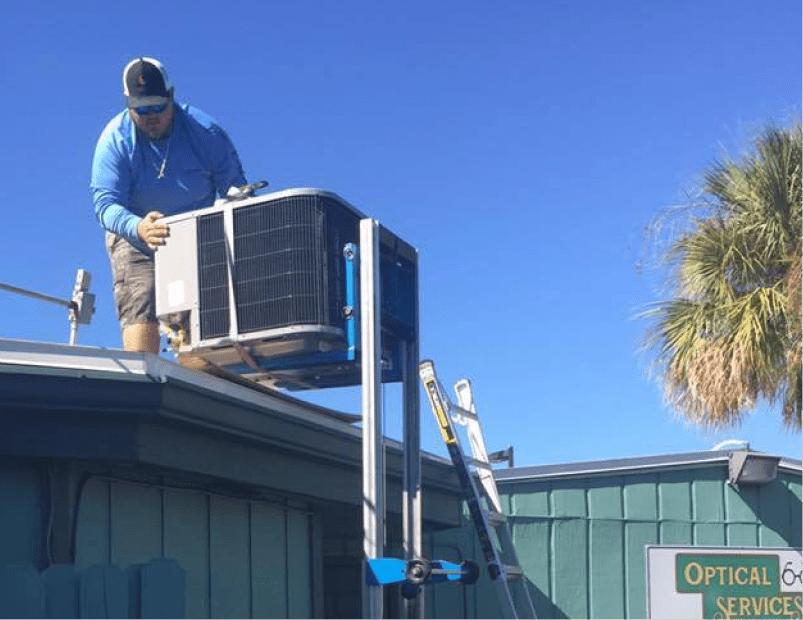
Are You Tired of High Electric Bills Every Summer? We get it — living in Sarasota means your A/C is basically a member of the family (and an expensive one at that). Those shockingly high electric bills can make you feel like you’re paying to cool the whole neighborhood. But guess what? You don’t have to keep burning cash to stay cool. With a modern energy-efficient HVAC system, you can chill comfortably and reduce air conditioner electricity use at the same time. It’s time to explore a Florida cooling system that finally works for you, not against your wallet. Comparison Table: Energy-Efficient HVAC Systems vs Costly Models Energy-Efficient Champions ✨ Models That Waste Energy 😓 Lennox XC25 Older Goodman Units Carrier Infinity 26 SEER 13 Base Models Daikin Fit York LX Series Trane XV20i Units Over 10 Years Old Mitsubishi Zoned Comfort Single-Stage Systems The Top Energy-Efficient HVAC Systems for Florida Homes Let’s explore some of the best options that help you reduce air conditioner electricity use and keep your comfort levels high all summer long. 1. Lennox XC25 With a SEER rating up to 26, the Lennox XC25 is an energy-efficient HVAC superstar. Its variable-speed design cools your home precisely, helping you reduce air conditioner electricity use even during the worst heat waves. This makes it perfect as a Florida cooling system. 2. Carrier Infinity 26 This system features advanced Greenspeed Intelligence, allowing it to adjust to your home’s exact needs. Homeowners using this energy-efficient HVAC system often report up to 30% lower bills and much happier bank accounts. A great choice if you want a smart Florida cooling system. 3. Daikin Fit Compact and inverter-driven, the Daikin Fit is sleek but powerful. With excellent humidity control and whisper-quiet operation, it fits perfectly as a Florida cooling system and helps you reduce air conditioner electricity use day and night. 4. Trane XV20i This top-of-the-line model offers excellent humidity control and a SEER rating above 22. As an energy-efficient HVAC system, it gives you superior comfort while slashing energy waste, making it an ideal Florida cooling system. 5. Mitsubishi Zoned Comfort Systems Perfect for homes that need flexibility, these systems allow for precise room-by-room cooling. As an energy-efficient HVAC system, it helps dramatically reduce air conditioner electricity use, especially when you don’t need to cool the whole house. Why These Systems Save You Money Switching to an energy-efficient HVAC doesn’t just sound fancy — it directly translates to big savings. Here’s why: Real Installations by Streamline Heating and Air We don’t just talk about energy-efficient HVAC systems — we install them throughout Sarasota! From replacing outdated units to fine-tuning the best Florida cooling system setups, we’ve helped countless homeowners reduce air conditioner electricity use and finally take control of their electric bills. Check out our HVAC installation and energy efficiency upgrade services to see how it’s done. Time for an Upgrade? If your A/C is over 10 years old, it’s likely working way harder (and costing way more) than it should. With our HVAC repair and SEER upgrade services, your old clunker can finally transform into a smooth-running, energy-efficient HVAC that’s perfect for any Florida cooling system. Save cash and stay cool! FAQs About Lowering HVAC Costs in Florida Q: What SEER rating should I choose for Florida? A: Go for at least SEER 16, but SEER 18 or higher is ideal to truly reduce air conditioner electricity use. Q: Can a new HVAC system really lower my bill? A: Absolutely! A modern energy-efficient HVAC system can cut energy use by 30–50%. Q: Are there rebates for energy-efficient systems? A: Yes! Many utility companies offer rebates, and Streamline can help you apply. Q: Is financing available for high-efficiency units? A: Of course! We offer flexible plans to make the transition easy. Let’s Lower Your A/C Bill — Starting Today Now that you know the power of an energy-efficient HVAC system, imagine what life could look like without those sky-high summer bills. Sarasota homeowners are already enjoying the perks of a smarter, more efficient Florida cooling system that helps reduce air conditioner electricity use and stay comfortable all year. Ready to join? Contact us today to book your free energy-efficiency consultation and discover how much you could save — let’s make your next electric bill a pleasant surprise!
How to Clean Your AC Condenser Coils (A Step-By-Step Guide)
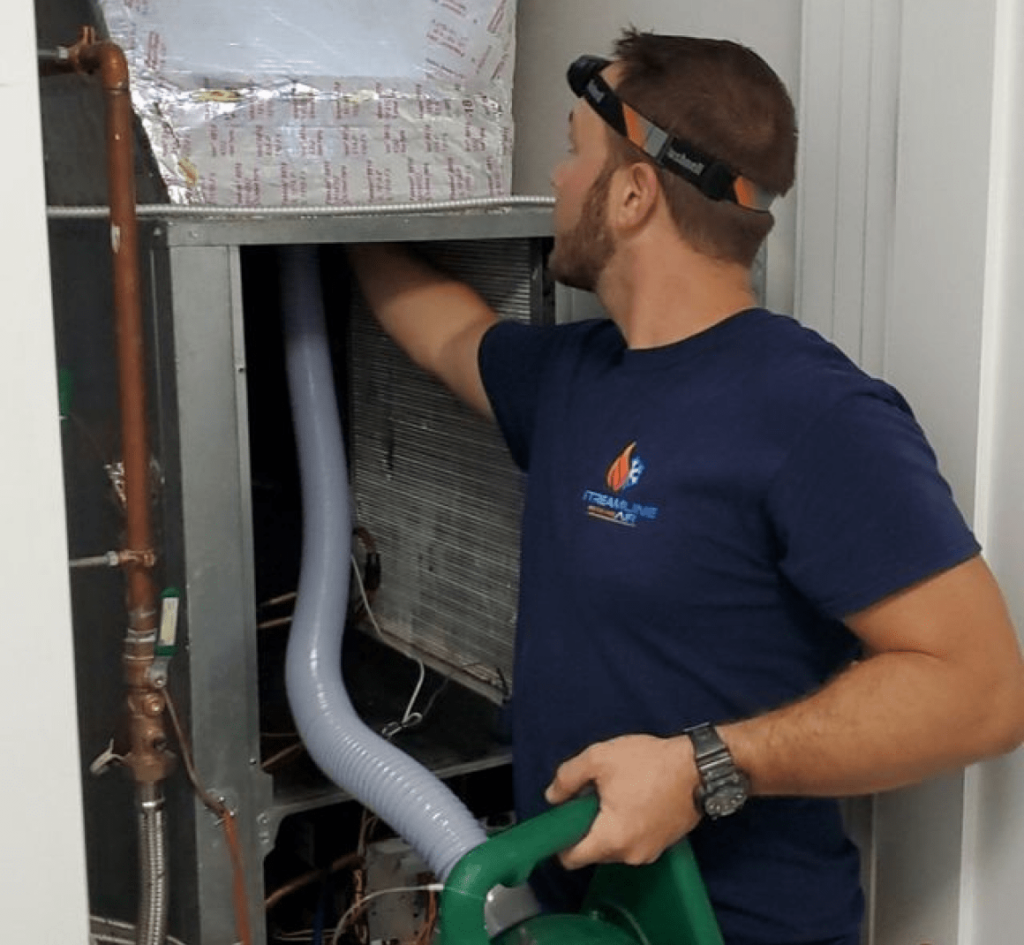
Picture this: you’ve been troubleshooting your air conditioner and ruled out nearly every possibility: tripped circuit breakers, a new blower motor, and clean air ducts. You check your A/C condenser coils and realize they’re absolutely filthy. Therein lies the problem. So, how do you clean A/C condenser coils? You can opt for a heating and cooling comfort specialist, or you can go the do-it-yourself (DIY) route. If you choose the DIY route, be prepared for the time, energy, and resources the job will take. Nevertheless, we’re here to help. For more than 20 years, we’ve helped inquisitive Florida businesses and homeowners with all their air conditioning needs. If you need a step-by-step guide on how to clean your air conditioning coils, this article was made for you. In this guide, we’ll cover the gamut of how to clean your air conditioning condenser coils, including topics such as: Why cleaning AC condenser coils is a must “It’s a coil. It can’t be that bad can it?” One might think. It’s true: Cleaning coils is a fairly straightforward procedure. Failing to clean them the right way can cause damage — and mean more buckeroos out of your wallet. Plus, failing to clean your air conditioner’s condenser coils can lead to a hot, humid, and stuffy environment. Unless you’re a lizard or frog (which we can’t imagine that you are, but who know? No judgment here), you probably don’t enjoy hot and humid homes. And in a hot and humid home, mold can rear its ugly head. So, you want to make sure you’re cleaning your condenser coils on the regular. Problems that can occur if you don’t clean your A/C condenser coils Air conditioner coils help absorb heat and humidity in homes — and coils help release heat out of a home. If you allow dirt and debris to accumulate in your air conditioner’s evaporator and condenser coils, you’ll likely encounter any number of problems mentioned below: And problems breed problems. You’ll want to keep your condenser and evaporator coils clean so that your air conditioner can do a great job without you having to pay exorbitant repair fees. Cleaning your air conditioner coils — or having a trained and certified HVAC specialist clean your air conditioner — at least one time per year will ensure that your A/C works as it should in those moments you need it most. Tools and materials you’ll need to clean AC condenser coils You might think that cleaning coils can’t be that tough. You’re right! The process is pretty simple. But gathering the right tools — and knowing how to use those tools — is key for ensuring a successful condenser coil cleaning. The great news is that you probably already have all the materials needed to prepare yourself for the job. Here’s what you’ll need on your cleaning checklist prior to cleaning: Let’s take a look at one of the most important items to collect before your cleaning adventure begins: coil cleaning soap. Types of coil cleaners for air conditioners In general, two types of cleaning agents exist for A/C systems: With a canned, foaming cleaning agent, the cleaning agent is designed to clean A/C coils. In fact, the foaming properties in the products help the soap stick to the coils while the soap does its job in cleaning the coils. If you’re shopping online or at a local parts supply store for a canned cleaning agent, look for products with the words “coil cleaner” or “foaming coil cleaner.” But, if you decide to go the DIY route, you’ll want to purchase the right ingredients for the job. In general, a mixture of white vinegar, baking soda, and water can do the trick. With a DIY cleaning job, you’ll want to be scrupulous about the cleaning process and rinse your air conditioner down with clean water after completing the job. Note: we can’t guarantee that a DIY option won’t damage your air conditioner’s coils. Hiring a licensed HVAC professional is always a more surefire way to keep an air conditioner clean, but you’re always welcome to try giving it a shot on your own. How to clean Air Conditioner condenser coils You’ve made it to the best part: how to clean condenser coils and evaporator coils. Here’s a quick nine-step list including what you need to clean a coil in an air conditioning unit. (Friendly tip: The condenser coils are located outside of the house) Now, we just need to address the evaporator coils. How to clean evaporator coils inside the air conditioner You’ve cleaned the condenser coils, which are located outside of the house. Now, let’s turn to the evaporator coils, which are located inside the house. To clean evaporator coils, follow these four steps: When air conditioner coils aren’t the problem… Of course, sometimes dirty air conditioner coils aren’t the problem. Other air conditioner issues might be the culprit behind why an air conditioner isn’t operating as it should. If you’ve cleaned your air conditioner’s coils — and your air conditioner still isn’t operating as it should — you may need to replace your air conditioner’s coils. Based on the make, model, and year of your A/C unit, evaporator coils can cost a hefty chunk of change. Sometimes, the cost of repairs and replacements may exceed the value of the air conditioner, so you might be better off upgrading to a new, more efficient HVAC system. Finally, if after cleaning your air conditioner’s coils, you find that your A/C still won’t work right, you might have one of the following issues: While a number of issues can exist and be the culprit behind why an air conditioner isn’t working, a surefire way to diagnose the issue is by being in touch with a professional HVAC technician. You can never go wrong with reaching out and asking for a free consultation and diagnostics troubleshooting of your
How Many Watts Does a Central Air Conditioner Use (HVAC Systems)?

Spring and summer are fast approaching. Across the U.S., we’ll be checking our air conditioning systems to make sure they have enough energy for hot and muggy weather. Speaking of energy, the question is how many watts does a central air conditioner use and need to operate at peak capacity? Knowing how many watts a central air conditioner uses is key, because without having an energy-efficient and powerful air conditioner unit, you could find yourself broiling before summer even hits. Not to worry, though. Streamline Air here. We’ve got your back. We’ll walk you through what you need to know about air conditioner energy usage to help you stay cool and comfortable year-round. In this article, we’ll discuss: An air conditioner’s power depends on amperage, voltage, and watts Amps, watts, and volts: these terms might seem familiar when shopping for electronics. But did you know these short-hand terms are also related to your air conditioner? Knowing about amperage, volts, and watts is key for making the most of your air conditioning system and reducing common A/C issues. Let’s look at three common energy terms — amperage, voltage, and watts — as they relate to how much energy a central air conditioner uses. Amperage for air conditioners Amperage — measured in amperes or amps (A) for short — measures the strength of the electrical flow or rate of flow of a current of electricity. You’ll need to have a solid understanding of the amps used by your air conditioner from both a safety and efficiency standpoint. Knowing how many amps your air conditioner needs will help ensure you don’t overload your power system and cause electrical issues (like tripped breakers). Knowing which air conditioner matches your home’s wiring and electricity is key to preventing electrical issues related to amperage in an air conditioning unit. Air conditioner voltage joltage Careful! Air conditioner voltage is no joke. Volts relate directly to air an air conditioner’s electricity usage. To avoid jolts from an air conditioner, we need to learn a bit about voltage. Voltage is the pressure in an electrical circuit that pushes the electric current through the circuit. We measure voltage by volts (V). Voltage is the electrical potential of electricity that passes through a circuit. The more volts the unit uses, the more powerful the pressure inside the unit. Volts are what those “Caution” signs say near power lines and other electrical systems. An air conditioner’s transformer is responsible for providing a power supply of electricity to HVAC control components. But, a transformer also takes higher-voltage to lower voltage to operate air conditioner-related systems like the thermostat, control board, sensors, relays, and more. The more you know about volts, the fewer potential jolts you’ll likely experience with your HVAC system. Watt’s up with an air conditioner unit’s wattage The moment we’ve all been waiting for: watts. Watts (W) and kilowatts (kW) are measures of energy and power consumption. A kilowatt is the equivalent of 1,000 watts. You can think of watts as the byproduct of volts and amps. To calculate wattage, we multiply bolts by amps. So, what’s the big deal with watts? Why are they important? Well, for one, electrical companies charge for the usage of electricity based on kilowatt hours (kWh). Floor lamps, coffee makers, blenders, and air conditioning units are powered by watts. Each electrical appliance — your HVAC included — has a power rating telling you how much power the appliance needs to operate. For air conditioning systems, we use a seasonal energy efficiency ratio (SEER) to calculate how energy-efficient an HVAC system is. For example, to calculate the SEER ratio of an HVAC system, you calculate the cooling output of an air conditioner or heat pump in a typical season and divide this number by the energy the A/C unit produces. The result is your SEER rating, which is calculated in watt-hours. For an air conditioning system, the less power it needs, the higher the SEER rating. Knowing the stated wattage for different types of air conditioners can help you not only discover how much energy an air conditioner uses, but also the cost of running an air conditioner. Next, we’ll turn to three different types of air conditioners and their stated wattage. How many watts do air conditioners use? 3 types Knowing how many watts an air conditioner uses depends on the cooling system. In general, three types of air conditioners exist: Let’s gain a better understanding of how many watts of power each uses. 1. Central air conditioner wattage Central air conditioners tend to use between 15 and 60 amps based on how large the air conditioner unit is. A central air conditioner uses about 1,000 watts per ton of cooling capacity. For example, a 2,000-square-foot home needs about 3.5 tons of cooling power, so the average power of a 3.5-ton air conditioner is about 3,500 watts per hour, In general, most central air conditioner units use about 3,000 to 4,000 watts. The great news is that, since the A/C cycles on and off throughout the day, it tends to have lower running wattage. 2. Heat pump wattage Since heat pumps provide both heating and cooling, they tend to use more watts. Air-source heat pumps tend to need 240 volts and a dedicated circuit. Watt usage depends on the size of the heat pump and how often the homeowner uses the air conditioner. In general, though, heat pumps can range between 20 and 50 amps and use anywhere from 1,000 watts to 7,500 watts depending on how many tons the heat pump weighs. 3. Ductless mini-split air conditioning system wattage Finally, we come to ductless mini-split systems. Most ductless mini-split systems use 230-240 volts, but some smaller units only need about 110 or 120 volts to operate. Depending on the BTU capacity — which stands for British Thermal Unit, a measurement used to determine the cooling capacity of an air conditioner — a ductless
The Mechanics of HVAC Ductwork Installation (Price, Tips, & More)
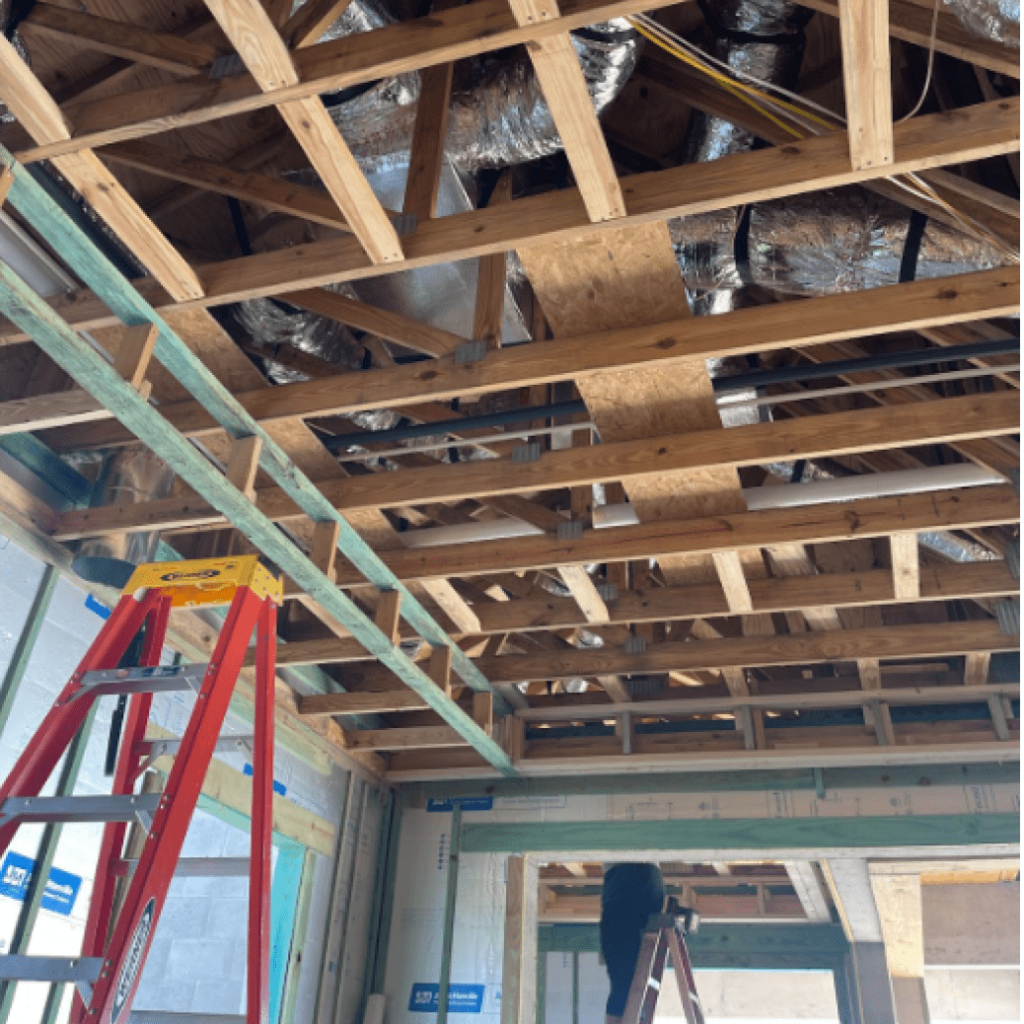
Of all the aspects of HVAC installation, ductwork installation happens to be one of the most confusing. How are ductwork designs created? What’s involved in ductwork installation procedures? And how much does it cost? Without proper ductwork, your existing airflow can affect your comfort and ultimately your health. If you’re wondering why ductwork matters and what to know when installing new ductwork, you’ve come to the right place. In this article, our ductwork design specialists will discuss: When it’s time for new ductwork installation Whether you’re embarking on a new HVAC project or simply doing routine ductwork cleaning, ductwork can affect you when tackling HVAC maintenance or repair work. New ductwork may be needed in any of the following scenarios: What to know about sizing ductwork for your HVAC system “So, I know I need ductwork. How do I know which size is right for my HVAC system?” You might be wondering. Alas, many HVAC technicians will give you an answer along the lines of “Check the square footage of your home,” or “Install your ductwork based on the size and power of your HVAC system.” While these are helpful considerations to keep in mind, the real question is to ask how powerful your HVAC system is. Once you have the answer to this question, you can size out your HVAC ducts. For example, a 1-ton system is less powerful than a 4-ton system, but the 1-ton system also costs less. Sometimes, a larger home needs more power to heat and cool than a smaller one, but your home may not need a larger system. Your new ductwork installation also depends on the number, size, and quality of the windows in the house. For instance, older, single-pane windows tend to insulate heating and cooling less efficiently than double or triple-paned windows. Factors like insulation, ceiling size, and the number of stories in a home all affect the size and cost of new ductwork. If your system or ductwork doesn’t fit the size of your home, your system won’t be able to produce the right airflow needed to cool and heat your home. If you ignore the need for proper fitting ductwork, you might see increased utility bill costs, your system will run longer, and you’ll likely have airflow only to certain parts of your home. Mechanical considerations needed for ductwork design When considering high-quality ductwork design, it’s worth looking at the mechanics and the science behind ductwork installations. The Sheet Metal and Air Conditioning Contractors’ National Association creates and tests standards for ductwork designs and installations across the HVAC industry. Some of the mechanical considerations that these standards are built upon include: Design with “return air” in mind Just like no two homes are alike, the same goes for HVAC ductwork. Proper ductwork is often installed after a home has already been constructed. So, you’ll often find new ductwork being installed around existing infrastructure. Since HVAC duct systems don’t come as stock systems, your HVAC technician will be able to be a bit crafty and artistic with how they construct the layout of your ductwork. As such, you might be tempted to do the ductwork installation on your own. Nevertheless, we recommend choosing a professional HVAC technician for ductwork installations. We’ll explain why in the section below. Aesthetic considerations for ductwork design Just like no two homes are alike, the same goes for HVAC ductwork. Proper ductwork is often installed after a home has already been constructed. So, you’ll often find the new ductwork being installed around existing infrastructure. Since HVAC duct systems don’t come stock, your HVAC technician will be able to be a bit crafty and artistic with how they construct the layout of your ductwork. As such, you might be tempted to do the ductwork installation on your own. Nevertheless, we recommend choosing a professional HVAC technician for ductwork installations. We’ll explain why in the section below. Choose a professional HVAC technician for ductwork installations We started this article by asking questions like, “Does one room seem to be more humid than others? Is this room hotter than others? Does this room stay colder in winter than others?” If another contractor isn’t asking you these questions, you’ll likely receive a quote that’s cheaper than what’s warranted for your HVAC needs. As such, when the heating and air conditioner maintenance and repair technician comes back with a cheap quote, many homeowners are tempted to forgo ductwork installations and maintenance. The homeowner might believe that the air ducts are “good enough” to function, but if you have issues with your ductwork, your HVAC system won’t feel great. Without asking the above-mentioned questions (which are not all-inclusive, by the way), you might feel less comfortable, your HVAC energy costs might increase, you might experience a shorter lifespan for your HVAC equipment, and you’ll find yourself repairing your HVAC system more often. Hence, you’ll definitely want to choose a professional who asks the right questions to ensure your HVAC system’ repair needs are addressed best and that your HVAC system works as it should. A professional HVAC technician knows what to look for and has years of experience designing, building, and repairing ductwork to ensure your indoor air feels comfortable and healthy. How much home ductwork costs If you’re considering or ready to install new air ducts, consider the costs: Ductwork installation costs vary based on a few factors as well. Factors that affect overall costs include: Streamline Air ductwork installation: before and after At Streamline Heating and Air, we’re all about efficient response times, straightforward answers, and quality service. To see what a new ductwork installation looks like, check out one of our custom, double-wall spiral duct jobs on our Facebook page here! Proper maintenance is key for long-lasting ductwork Homeowners: if you’ve learned nothing else from this article, we hope you take away that proper maintenance is key. To ensure long-lasting air ducts and quality air ventilation, you’ll want
Top 10 Most Common Air Conditioner Issues (A/C Systems)

Air conditioner issues in the middle of a hot and humid Florida summer? Nobody has time for that. If your home’s indoor air quality is suboptimal, you definitely want to troubleshoot your HVAC system. Ignoring the signs of an air conditioner issue can lead to internal problems on your home’s systems, or worse yet, cause health problems. After more than 20 years in the air conditioner and heating business, our air conditioner pros have seen it all. Can we help make your indoor air a little more comfortable? If you’re having issues with your air conditioning system, look no further. Streamline Air here: Here are some of the top 10 air conditioner issues most homeowners face with their air conditioning systems. 10 Common air conditioner issues and problems you’ll face 1. Airflow is disrupted (either hot, constant, or inconsistent airflow)2. Air conditioner installation and maintenance issues3. Air conditioner failure and/or tripped circuit breaker4. Refrigerant and/or water leaks5. Air conditioner sensor issues6. Faulty or insufficient maintenance work7. Electric control issues8. Drainage issues9. Odors and smells coming from the air conditioner10. Weird sounds emitted from the air conditioner 1. Airflow disrupted If you notice that airflow is disrupted through your home, the issue could revolve around the flow of air throughout your home. The cause of disrupted airflow could relate to whether the rooms and doors are closed. To ensure proper air circulation and flow throughout a home, keep all interior doors open. Doing so will ensure that air makes its way through as many open spaces as evenly as possible. 2. A/C installation and maintenance issues Alas, sometimes when an air conditioner is installed, the A/C unit can still cause issues. A faulty installation can cause leaky ducts and low airflow. If poor service procedures are in place, air conditioning issues can crop up. For example, incorrect refrigerant changes or poor maintenance can result in less efficient A/C systems. To correct air conditioner installation and maintenance issues, try hiring a qualified air conditioning technician for installation and maintenance work. You can also do your part by asking your HVAC specialist to ensure refrigerant levels match the manufacturer’s specifications for your air conditioning system. In summary, if your air conditioner isn’t working, faulty maintenance and installation should be one of the first issues you address. 3. Air conditioner system failures and tripped circuit breakers One of the underlying problems with a faulty air conditioner system is power failures. If you do an initial check and the system fails, check fuses or circuit breakers. Before resetting your unit, allow the unit to cool for five minutes. Also, the issue might have to do with the compressor. On scorching hot days, a tripped high-pressure limit switch may stop the compressor from working. Finally, if your A/C unit keeps tripping its breaker, and you can’t seem to resolve the issue, call an HVAC professional for timely A/C maintenance and support. 4. A/C refrigerant or water leaks One of the many common reasons an air conditioner won’t work is because the air conditioner is leaking water or refrigerant fluid. Another reason is that the air conditioner is low on refrigerant fluid. The reason an air conditioner might leak water or refrigerant is because the A/C unit is undercharging at installation. To fix this issue, trained technicians should address leaks, test repairs, and charge the A/C system according to the A/C unit’s manual specifications. Before adding more refrigerant, ensure that repairs are sound. Once you confirm that the repairs are complete, be very cautious before handling and disposing of refrigerant, as refrigerant fluid can be harmful to the environment. 5. Air conditioner thermostat sensor issues Thermostat sensor issues are one of the most common problems affecting air conditioners. But different thermostats need different care. By keeping the thermostat away from rooms, doors, or drafty spaces, you can ensure your thermostat doesn’t display incorrect temperatures and therefore lower your air conditioner’s performance. Instead, placing a thermostat out of direct sunlight and near the evaporative coil will ensure an accurate gauge of the temperature in the house and help your air conditioner system operate as it should. 6. Inconsistent A/C maintenance schedule If you’re not giving your A/C comprehensive repairs at least once or twice a year, in the spring and the fall, certain systems in the air conditioner can malfunction. Lapsing on maintenance can increase the chance of dirty air filters or coils. When air filters and coils become dirty, systems can malfunction. When a system malfunctions, premature compressor or fan failure can occur. And nobody wants that. The solution? Check air filters often, and ensure filters fit snugly on the return air duct so that air isn’t restricted from passing through air ducts and into your home. 7. Electric control failures If they don’t receive regular maintenance,air conditioning units can sometimes experience electric failures. The reason for an electric control failure is that the air conditioner on- and off-cycles (often called short-cycling). Also, when wires and terminals corrode, electric control failures can occur. One of the best ways to resolve electric control failures and deal with electrical issues is by checking electrical connections and contacts during regular maintenance appointments with your trusted HVAC technician. 8. Drainage issues Another serious issue with air conditioners is when water doesn’t come out of an A/C drain pipe. To prevent drainage issues and clogs, check the condensate drain line to make sure it’s draining. If you own a room air conditioner, make sure to mount the air conditioning system. Doing so will ensure your air conditioning system drains as it should. One way you can keep drain lines clean and working is by flushing the drain line with bleach and water and by keeping condensate pumps debris-free. Bleach and water can help prevent mold growth, which can help ensure your HVAC system is working properly. 9. Odors and smells coming from the A/C unit Another serious A/C issue has