
Why HVAC Systems Work Harder in Gulf Gate Estates, FL

Living in Gulf Gate Estates means dealing with long cooling seasons and steady humidity. Your HVAC system rarely gets a break. Over time, that constant demand leads to wear, reduced efficiency, and more frequent repairs. That’s why understanding HVAC problems Gulf Gate Estates homeowners face is so important. Many systems struggle not because they are faulty, but because they work harder than expected in this environment. In this guide, we’ll explain why these issues happen, what causes them, and how you can reduce stress on your system. With the right approach, you can keep your home comfortable and avoid unnecessary repair costs year-round. Why HVAC Systems Face More Stress in Gulf Gate Estates Homes in this area experience heat and humidity for most of the year. That means HVAC systems run longer cycles with fewer breaks. We often see the same HVAC problems Gulf Gate Estates homeowners deal with, especially during peak summer months. Across the Gulf Gate Estates HVAC service area, systems are exposed to conditions that speed up wear and reduce performance over time. The Main Causes of HVAC Problems Understanding what causes these issues helps you manage them better. High Humidity Levels Humidity forces your system to remove moisture while cooling. This adds extra workload to every cycle. Many HVAC issues Florida homes experience are directly tied to moisture buildup and airflow restrictions. Long Daily Run Times Your system may run for hours without stopping. This constant use leads to faster wear on key components. Over time, this creates common HVAC problems Gulf Gate Estates homeowners notice, such as reduced cooling and system fatigue. Outdoor Exposure Salt air, debris, and heat affect outdoor units. These factors reduce efficiency and increase strain. This is why air conditioner problems Gulf Gate Estates homes face often develop earlier than expected. Common Signs Your System Is Overworking When your HVAC system works too hard, it shows warning signs. Look for: Longer cooling cycles Uneven temperatures between rooms Increased humidity indoors Higher energy bills These symptoms often point to ongoing HVAC problems Gulf Gate Estates homeowners should address early. How to Reduce Stress on Your HVAC System You can take simple steps to improve performance and extend system life. Stay Consistent with Maintenance Routine care keeps your system running efficiently. Regular AC maintenance Gulf Gate Estates homeowners helps reduce breakdown risks and improves airflow. Keep Airflow Clear Blocked vents and dirty filters restrict circulation. Replace filters regularly Keep vents open and clean Avoid blocking return air paths Good airflow reduces strain and supports better cooling. Adjust Thermostat Habits Avoid setting your thermostat too low. Gradual cooling reduces system stress. When Repairs Become Necessary Even with proper care, repairs are sometimes unavoidable. If your system struggles to keep up, scheduling AC repair Gulf Gate Estates early can prevent further damage. For long-term reliability, many homeowners rely on professional AC repair and maintenance services to keep systems running efficiently. If your AC fails during peak heat, having access to emergency HVAC service when your system stops suddenly ensures quick relief. Keep Your HVAC System Performing at Its Best Understanding HVAC problems Gulf Gate Estates homeowners face helps you stay ahead of wear and breakdowns. Small adjustments can make a big difference in system performance. If your AC shows signs of strain or needs service, contact us today and let our team help you keep your home cool and comfortable year-round.
What Impacts HVAC Installation Cost in Sarasota?
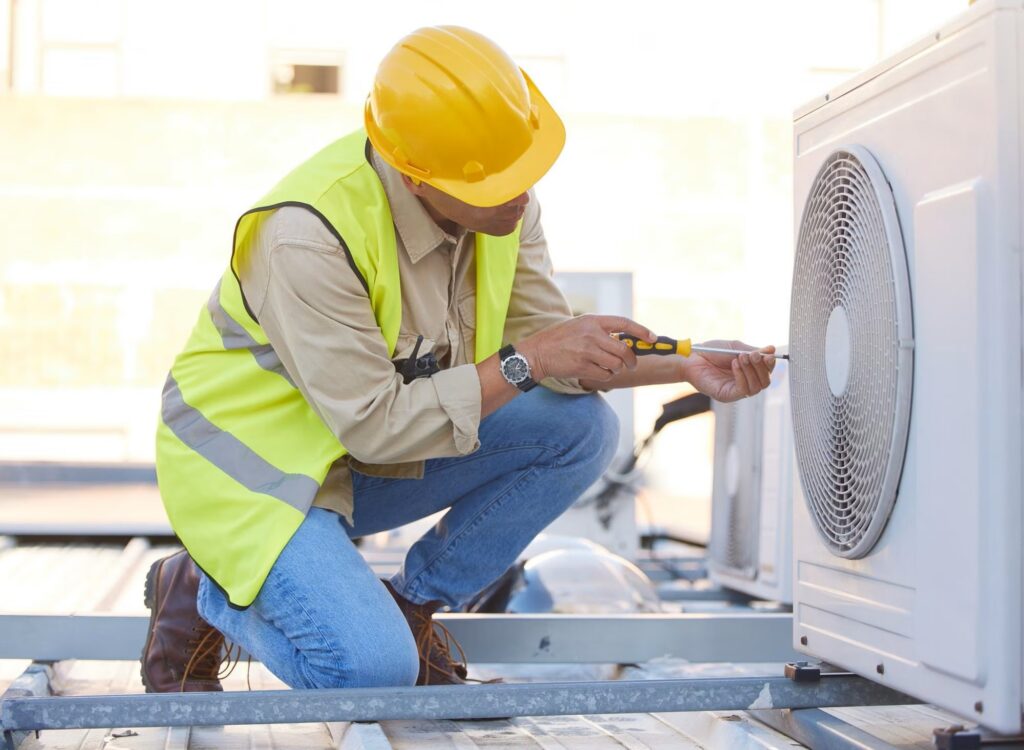
Understanding HVAC installation cost is rarely as simple as looking up an average price online. Sarasota homeowners often see wide price differences between estimates, even for homes that seem similar. That is because installation pricing depends on system size, efficiency ratings, ductwork condition, and labor complexity. This guide explains what actually drives cost, so you know what you are paying for and why. Whether you are upgrading an aging system or planning a full replacement, reviewing professional air conditioning installation options helps clarify what influences pricing and how to avoid unnecessary expenses during your next HVAC project. Why HVAC Installation Cost Varies Between Homes No two homes are identical, and HVAC systems must match each home’s specific cooling demand. Even houses with the same square footage may require different equipment sizes and configurations. Factors that influence HVAC installation cost include: Total cooling capacity required Home insulation and layout Existing ductwork condition Electrical system upgrades Local permit and code requirements Because of these variables, installation pricing is never one-size-fits-all. System Size and Capacity Requirements System size plays a major role in overall pricing. Larger systems require more material, higher electrical capacity, and additional installation time. Proper sizing involves a load calculation that evaluates: Square footage Ceiling height Window exposure Insulation levels Air leakage Oversized systems raise upfront HVAC install cost and can reduce efficiency over time. Undersized systems run continuously and wear out faster. Correct sizing protects comfort and long-term value. SEER2 Efficiency Ratings and Equipment Choice SEER2 is the current HVAC efficiency standard that measures how efficiently a cooling system uses energy under real-world operating conditions. Higher efficiency systems typically cost more upfront but reduce operating expenses over time. Modern SEER2-rated equipment may include: Variable-speed compressors Multi-stage cooling Advanced humidity control These upgrades increase initial HVAC installation cost, but they improve comfort and energy performance in Florida’s long cooling season. Choosing efficiency should balance upfront cost with long-term savings. Ductwork Condition and Modifications Ductwork often impacts pricing more than homeowners expect. If ducts are: Leaking Undersized Poorly insulated Structurally damaged Then additional work becomes necessary. A complete AC installation cost breakdown often includes duct repairs or redesign. Homes with well-maintained duct systems usually see lower installation expenses than homes requiring significant upgrades. Labor and Installation Complexity Labor is not a fixed number. Installation time depends on the home’s layout and access. Factors that increase labor costs include: Tight attic spaces Limited crawl space access Electrical panel upgrades Relocating indoor or outdoor units More complex installations increase overall HVAC install cost because they require additional time and technical precision. Replacement vs New Installation When calculating cost to replace HVAC, removal of the old system must be considered. That includes: Safe refrigerant recovery Disposal of old equipment Code updates for new connections Adjustments to meet current standards Replacement projects sometimes cost more than new builds due to these additional steps. If your system frequently breaks down or runs inefficiently, evaluating HVAC replacement options may help determine whether repair or full replacement makes better financial sense. Sarasota-Specific Cost Considerations Local conditions influence pricing in important ways. In Sarasota: Long cooling seasons increase equipment demand High humidity requires effective moisture control Salt air can impact outdoor components Permits and inspections are mandatory These factors shape HVAC installation cost sarasota homeowners encounter compared to cooler regions. Climate-specific performance requirements often justify higher-quality equipment. Permits, Inspections, and Code Compliance Professional installations include: Permit applications Electrical inspections Refrigerant compliance Safety verification Skipping these steps might lower initial cost, but it increases long-term risk. Proper installation protects warranty coverage and resale value. Code compliance also ensures the system operates safely under Florida conditions. Hidden Factors That Affect Pricing Certain elements may not appear obvious at first. Examples include: Smart thermostat upgrades Drain line modifications Condensate pump installations Equipment pad replacement These items influence final HVAC installation cost, even if equipment pricing remains unchanged. Transparency in estimates helps homeowners understand what is included. Why the Lowest Quote Isn’t Always the Best Option Comparing estimates requires looking beyond the total number. Ask: Is ductwork included? Is the disposal of old equipment covered? Are permits part of the price? Is equipment efficiency clearly specified? Sometimes a lower price reflects missing services, not better value. Choosing qualified professionals for installation reduces the risk of performance problems later. Planning Ahead Reduces Surprise Costs Preparation can help control expenses. Before installation: Evaluate insulation levels Inspect duct condition Confirm electrical panel capacity Discuss efficiency goals Being proactive makes the cost to replace HVAC more predictable and avoids last-minute changes. Final Thoughts Understanding HVAC installation cost means looking beyond equipment price alone. System size, efficiency ratings, ductwork, labor complexity, and Sarasota-specific conditions all influence final pricing. Taking time to review these factors helps you plan confidently and avoid unexpected expenses. If you are considering installation or replacement, the next step is to contact us and speak with Streamline Air about options tailored to your home and comfort needs.